mmWave Radar vs Pets – Will It Ruin Your Smart Home?
Last Updated on September 5, 2026 by Engr. Shahzada Fahad
Table of Contents
Description:
Many people ask one important question before installing a radar sensor at home:
mmWave Radar vs Pets; will it detect your dog or cat like a human?
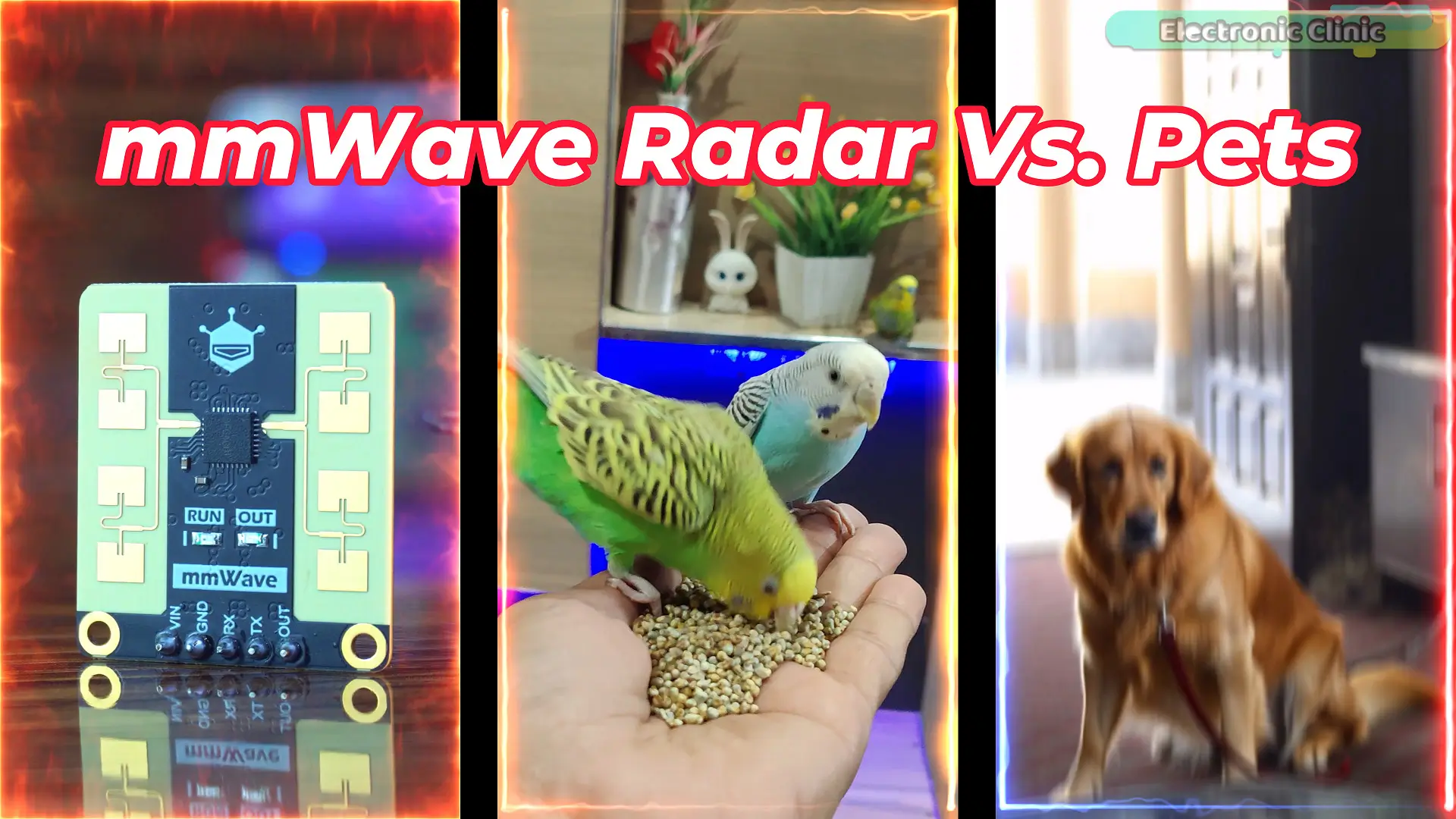
If the sensor detects pets the same way it detects humans, your smart home lights can turn ON and OFF again and again. Your automation can keep running. And that can become very annoying.
In this article, we test this problem in a real environment using an mmWave human detection sensor with ESP32 and Blynk monitoring.
This is not just about one specific module. Almost all mmWave human presence sensors use similar radar technology and motion pattern analysis. So the results you see here can apply to most mmWave radar sensors available in the market.
Amazon Links:
C4001 mmWave sensor Official product page
Other Tools and Components:
ESP32 WiFi + Bluetooth Module (Recommended)
Arduino Nano USB C type (Recommended)
*Please Note: These are affiliate links. I may make a commission if you buy the components through these links. I would appreciate your support in this way!
Introduction:
A lot of you asked me this in the comments.
“Will it detect my pet?”
“What if my dog triggers the lights?”
“What about cats?”
And honestly; this is a real problem.
Because most smart home users have pets.
But if your sensor detects your dog, your cat, or even your birds like a human…
you will get constant false triggers.
- Lights turning on.
- Alarms activating.
- Automations running again and again.
And nobody wants that; because that would be extremely annoying.
So today, we are going to test it.
If you read my previous article on the C4001 mmWave sensor, you already saw how powerful it is.
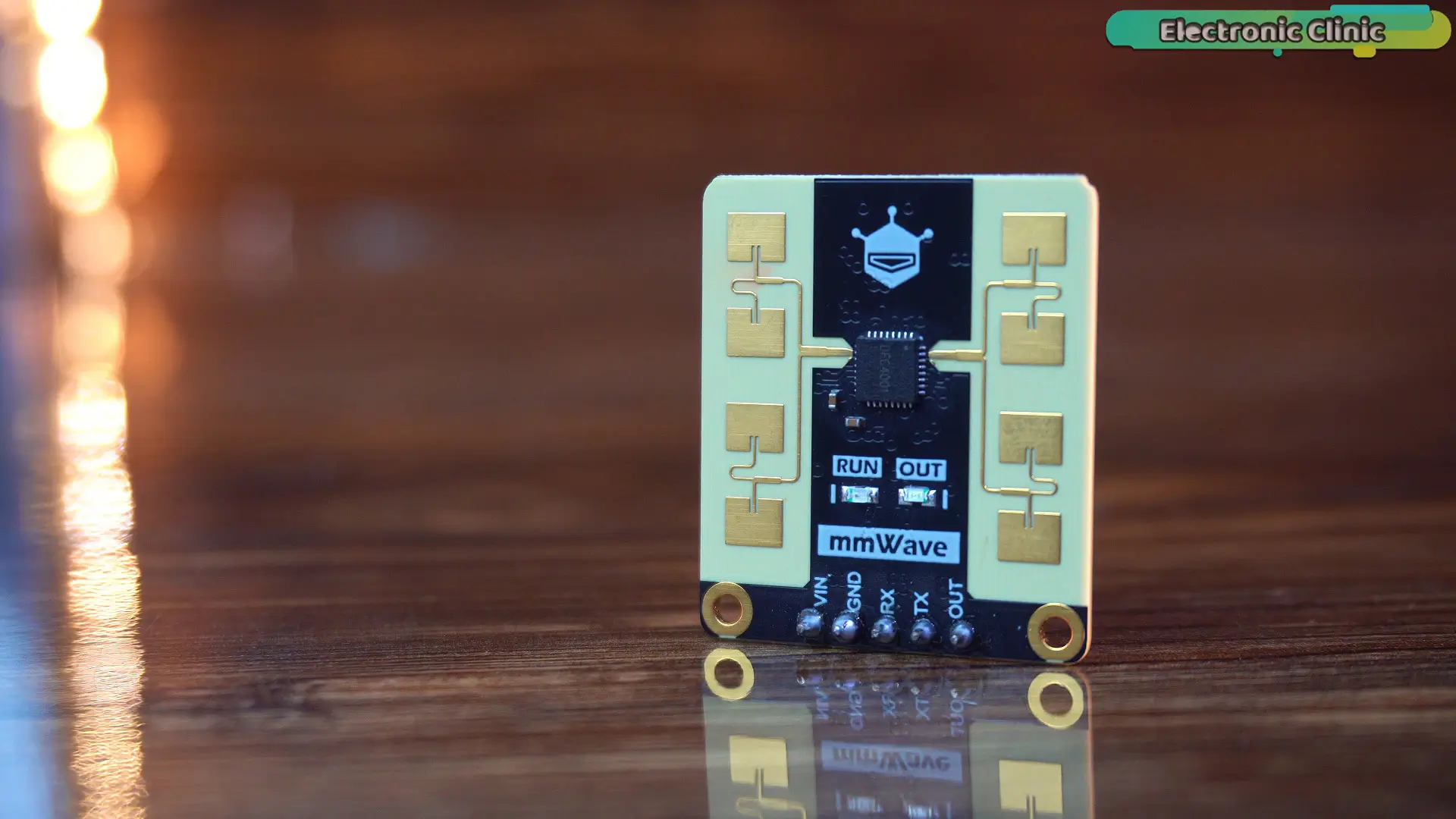
I tested it through wood, through doors, under a ceiling fan, and I showed full wiring with ESP32 and live monitoring using Blynk.
So if you want the basic setup, wiring, and configuration, go read that article first.
Because today;
- We are not changing the code.
- We are not changing the ESP32.
- We are not changing Blynk application.
The only thing we are changing; is how the sensor is installed.
And that changes everything.
And one more thing;
This test is not just for the C4001 mmWave sensor.
Almost all mmWave human detection sensors use the same radar technology
and motion pattern analysis.
So the results you see today; will apply to most mmWave sensors on the market.
Today we will perform two real tests.
- First, we will place the sensor at a lower height on the table.
- Then, we will install it at the recommended height; around 1.5 to 2 meters; with a slight downward tilt
And in both cases; we will test human detection and dog detection.
But we are not stopping there.
There is something even more interesting.
I also have parrots in my room.
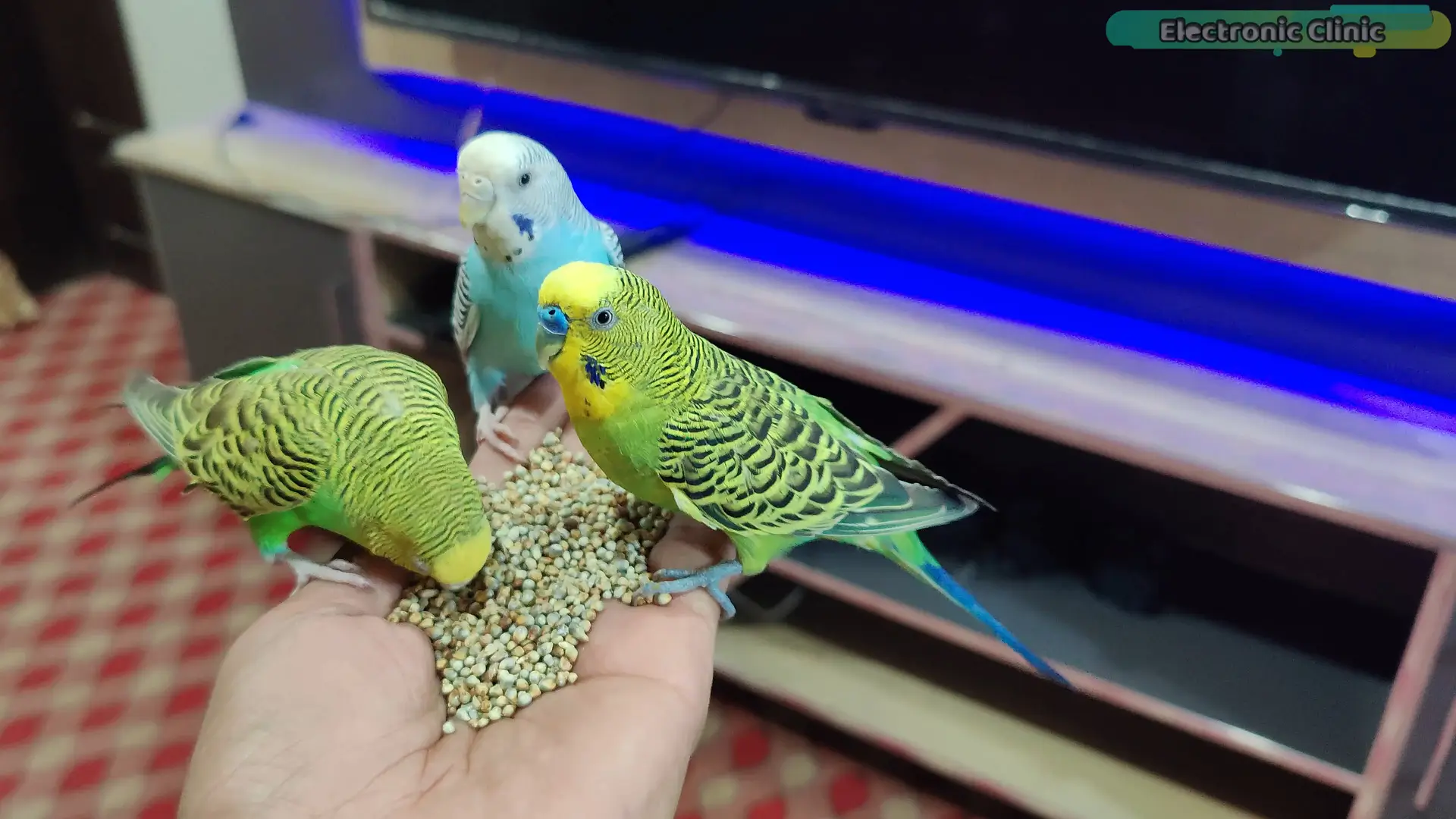
Sometimes they fly around.
Sometimes they move inside the cage.
There’s always small motion happening.
So we are going to test that too.
Because if this sensor reacts to every small movement; then it’s not really a smart human detection sensor.
And this part might surprise you.
Watch carefully; because the installation height makes a bigger difference than you think.
Before I show you the final results…
The truth is; mmWave radar does not see shape like a camera.
It does not know “this is a dog” or “this is a human.”
- It detects movement patterns.
- It detects micro-motions like breathing.
And when installed correctly at the recommended height; it is optimized to detect human-sized motion signatures.
That’s why installation position changes everything.
mmWave Sensor Tests:
So now; let’s start the first test.
And I want you to watch carefully.
Because what happens next; might surprise you.
Test1 Human and Dog Detection:
In this test, the mmWave sensor is placed on the table.
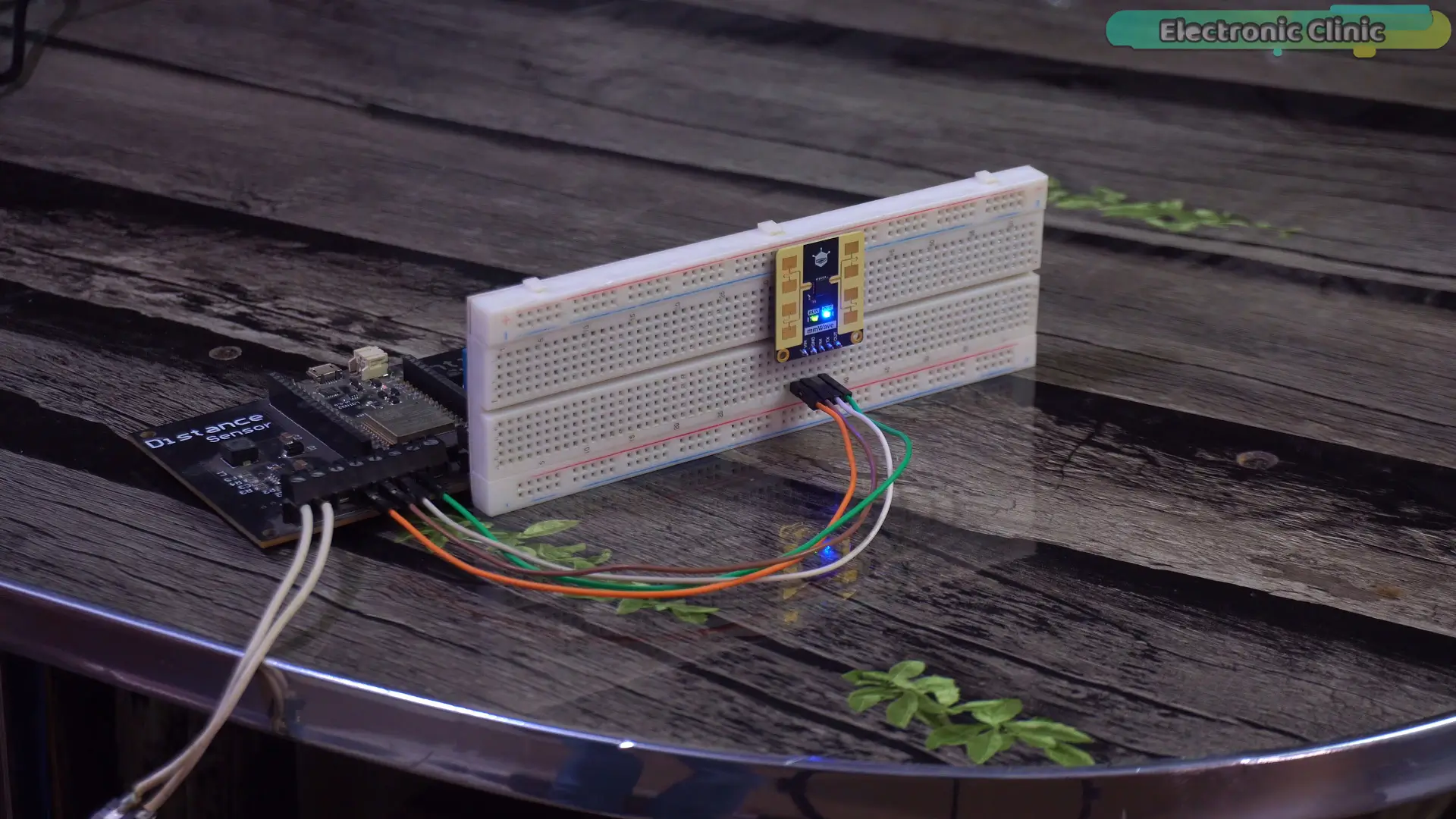
The height from the floor is around 3 feet.
In my previous article, I used the sensor at this same height.
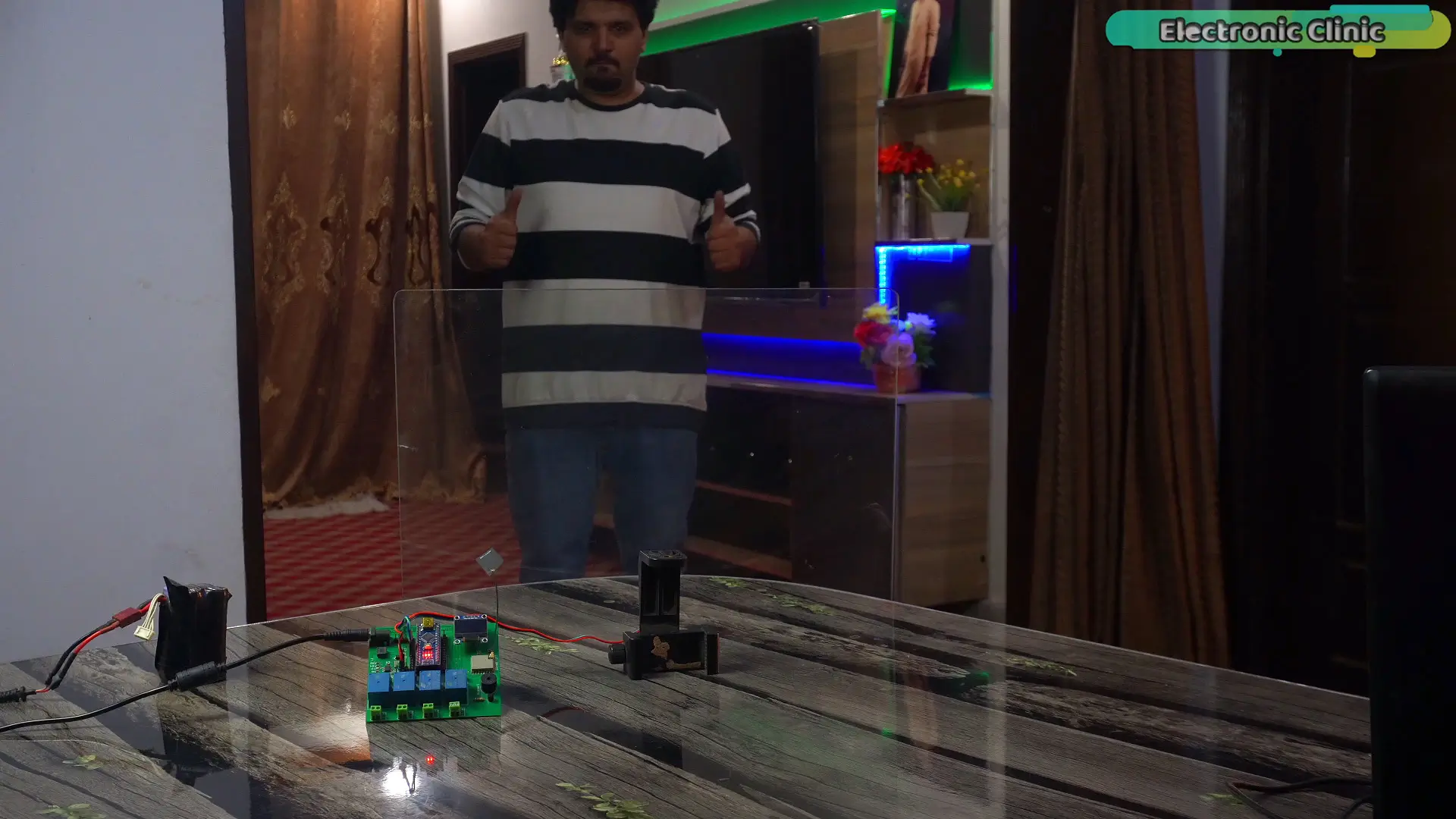
And at that time, it successfully detected me without any problem.
So we already know; at this height, it can detect a human.
Right now, you can see I am outside the detection range.
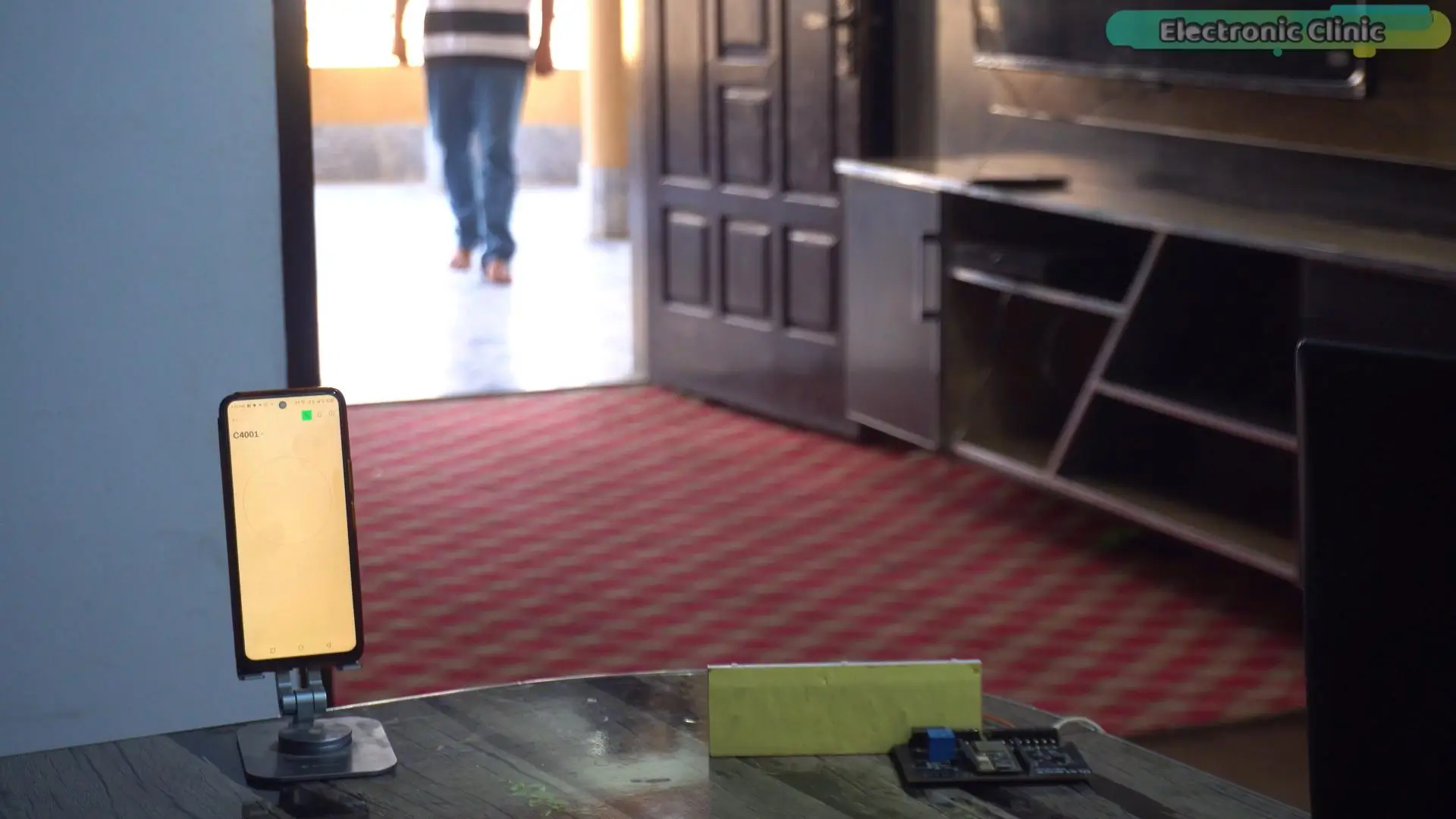
On the Blynk application; there is no detection.
Now watch carefully.
As I step inside the detection area…
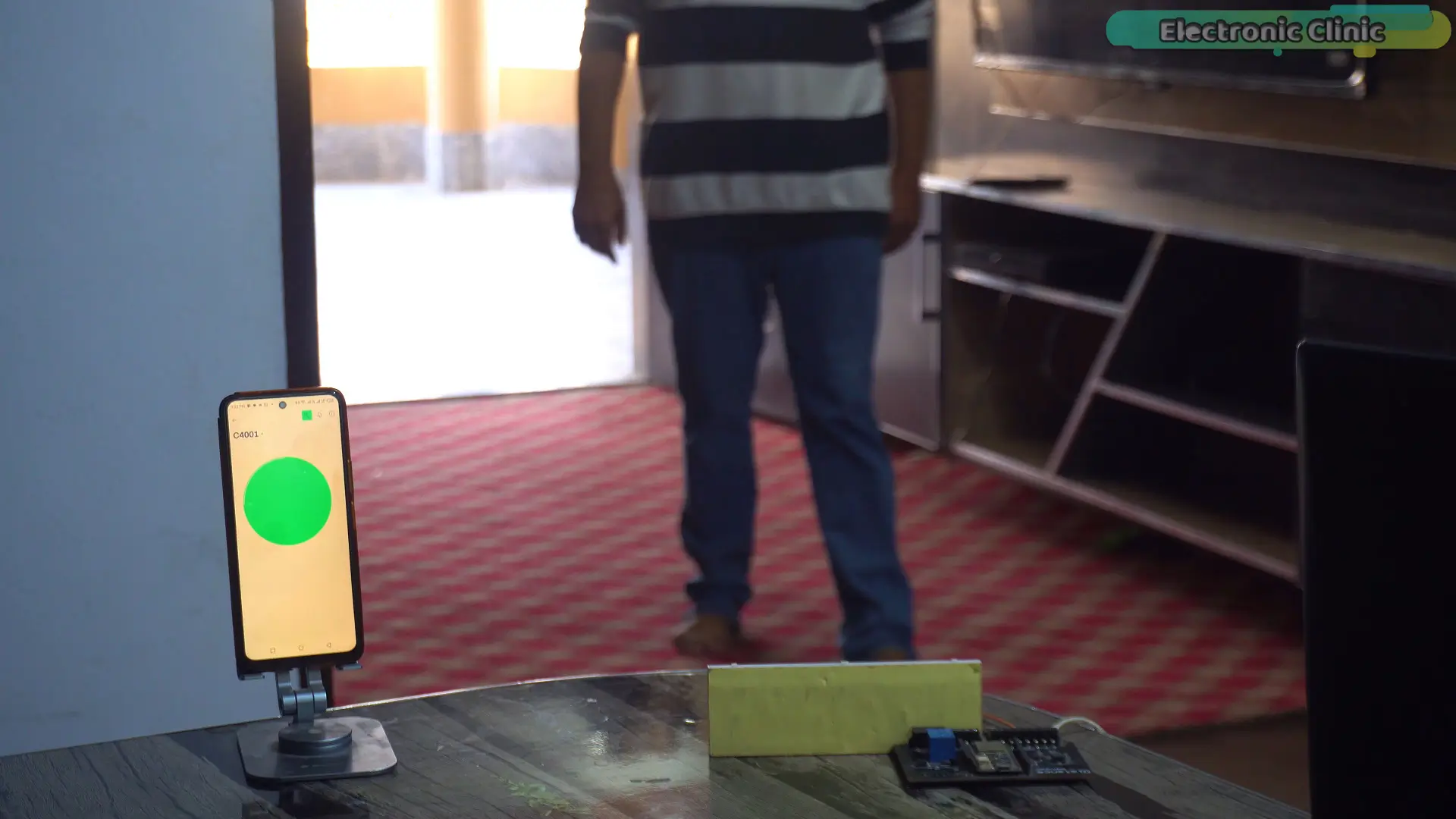
The sensor immediately detects me.
And you can see the LED widget on the phone turns ON.
So yes; at this height, human detection works perfectly.
But now comes the real test.
What about the dog?
Will it ignore him?
Or will it trigger like it did for me?
Let’s find out.
Right now, there is nothing inside the room.
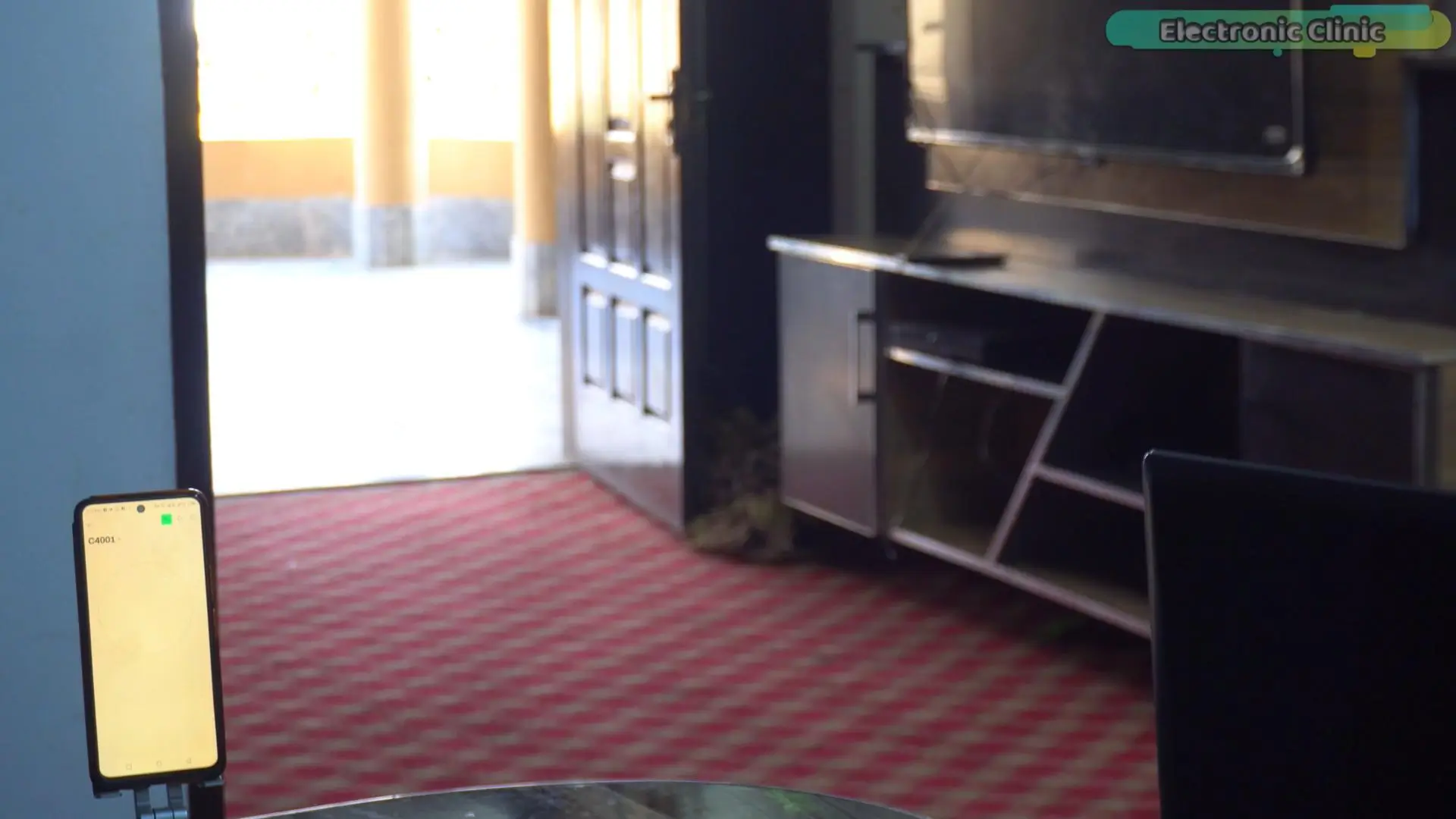
That’s why the LED widget on the phone is OFF.
No detection.
Now my dog is sitting inside the detection area.
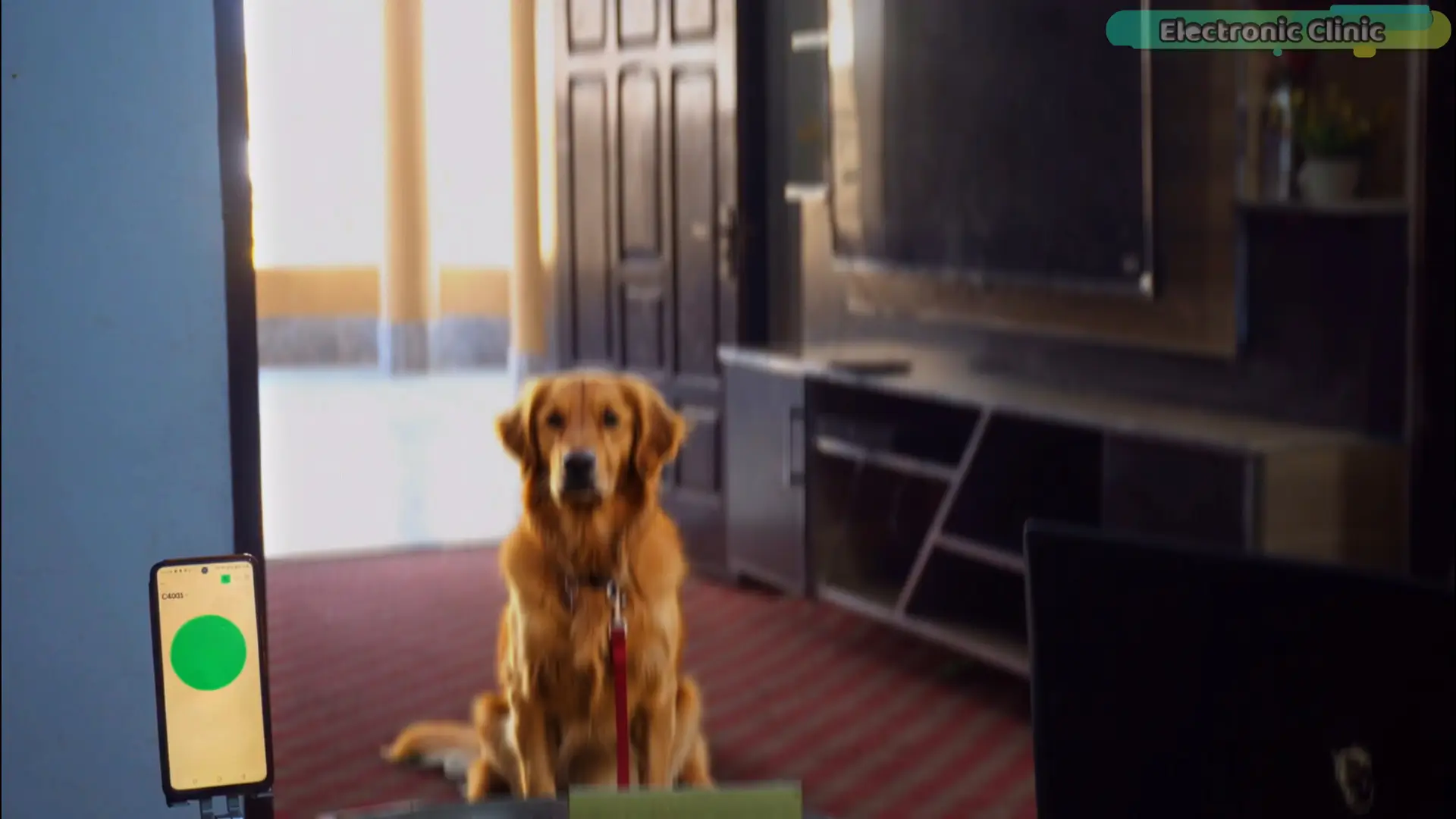
And as you can see, the LED widget is ON.
So yes… at this lower height, the mmWave sensor detected the dog.
But why did this happen?
Here’s the reason.
When the sensor is placed low around 3 feet from the floor; its radar beam spreads almost directly at the same level as the dog’s body.
At that position, the sensor cannot clearly distinguish between:
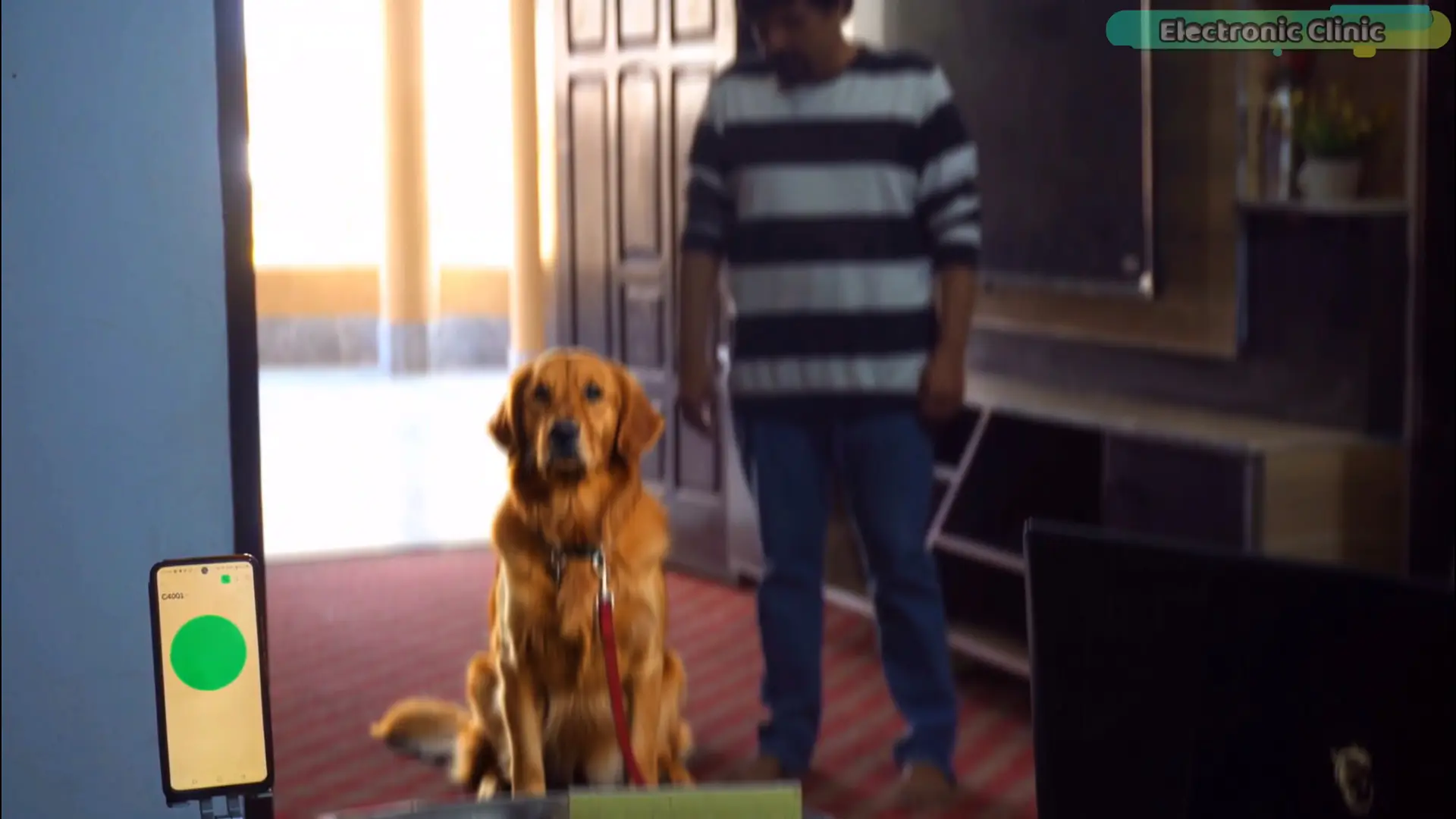
A human’s lower body movement and a dog moving inside the room.
To the radar… movement is movement.
At this height, the dog is right inside the strongest part of the radar beam.
So the reflected signal is strong enough to trigger detection.
Also remember; mmWave radar does not “see” shape like a camera.
It measures motion, speed, distance change, and signal reflection strength.
At lower height, the dog’s body is fully exposed to the radar waves.
So the sensor treats it like a valid moving target.
That’s why it triggered.
Test2 Human and Dog Detection:
Now, this is Test 2.
This time, the mmWave sensor is installed at the recommended height; between 1.5 and 2 meters; with a very slight downward tilt.
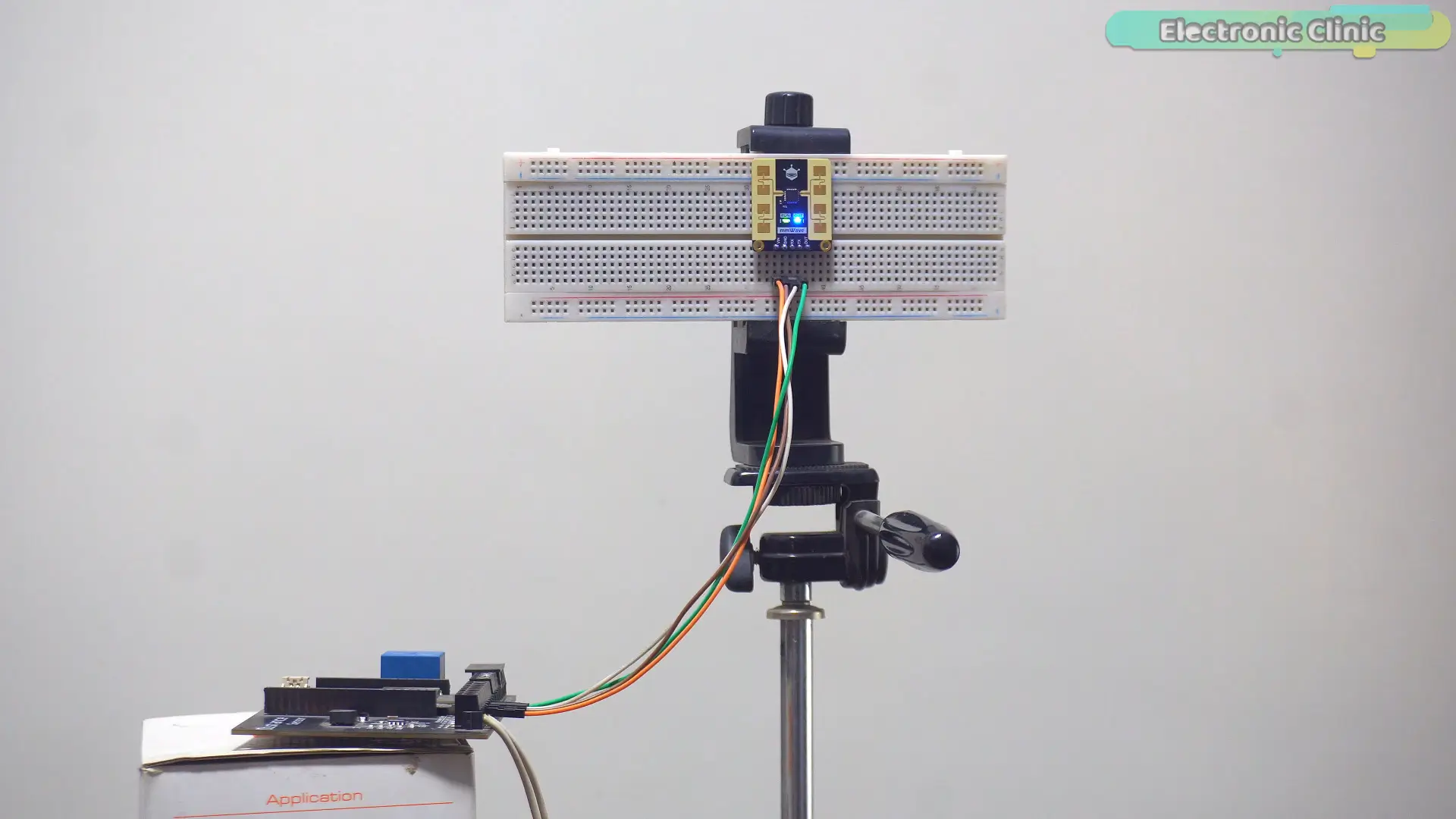
Almost not noticeable.
This installation position is very important.
Human Detection:
Right now, you can see I am outside the detection range.
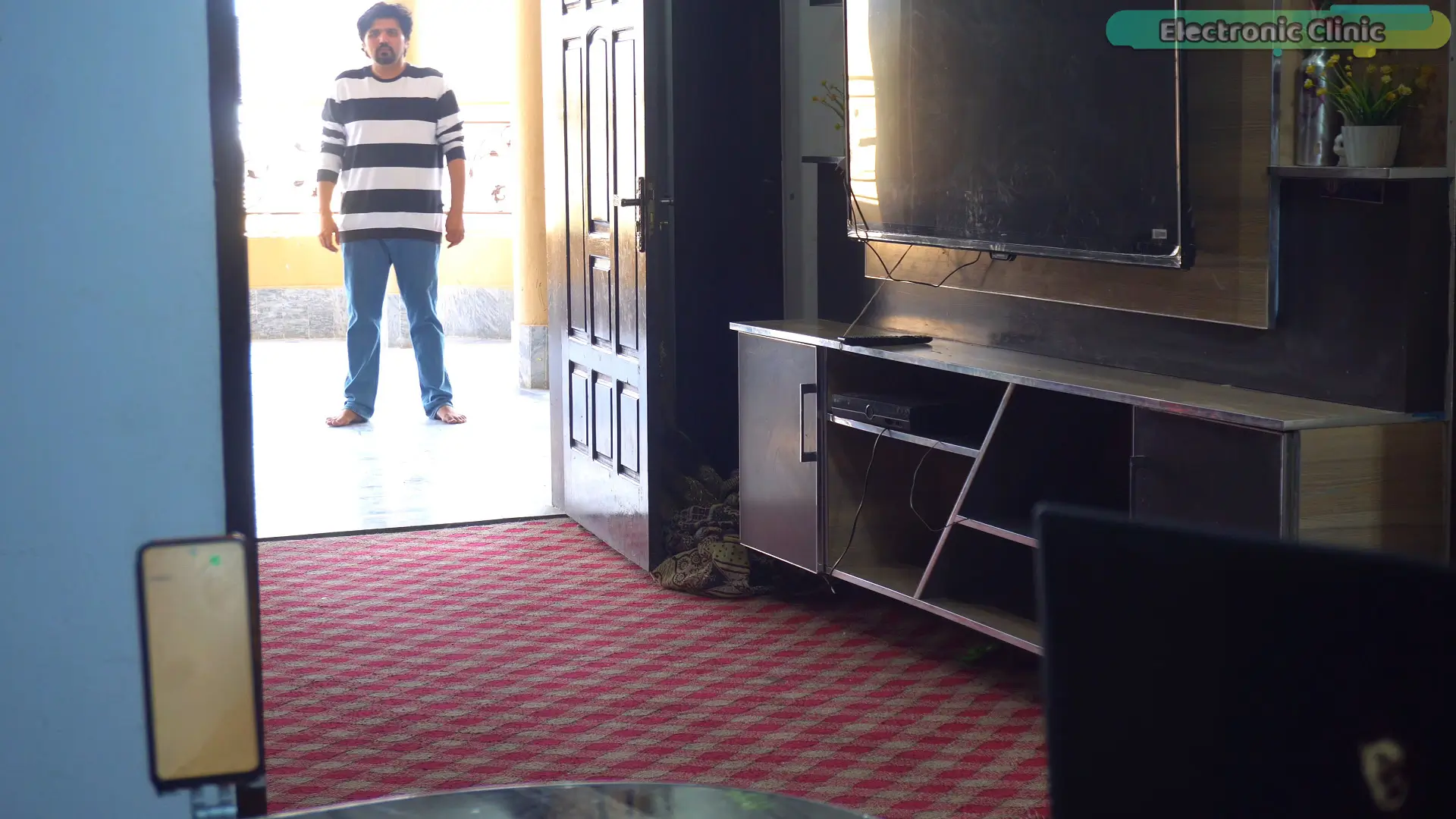
That’s why on the Blynk application; there is no detection.
Everything is OFF.
Now watch carefully.
As soon as I step inside the detection range; the sensor detects me.

And you can see on the phone; the LED widget turns ON immediately.
So from this test, it’s very clear; It detects humans perfectly when installed at the correct height.
Dog Detection:
But now comes the real question.
What about the dog?
Let me tell you something important.
This part can be a little tricky.
You may need to adjust the height slightly.
You may need to change the tilt angle a little.
Once you start testing, you will quickly understand at what height it detects humans… and ignores dogs and cats.
Installation is the key.
Now look carefully.
The dog is inside the detection area.
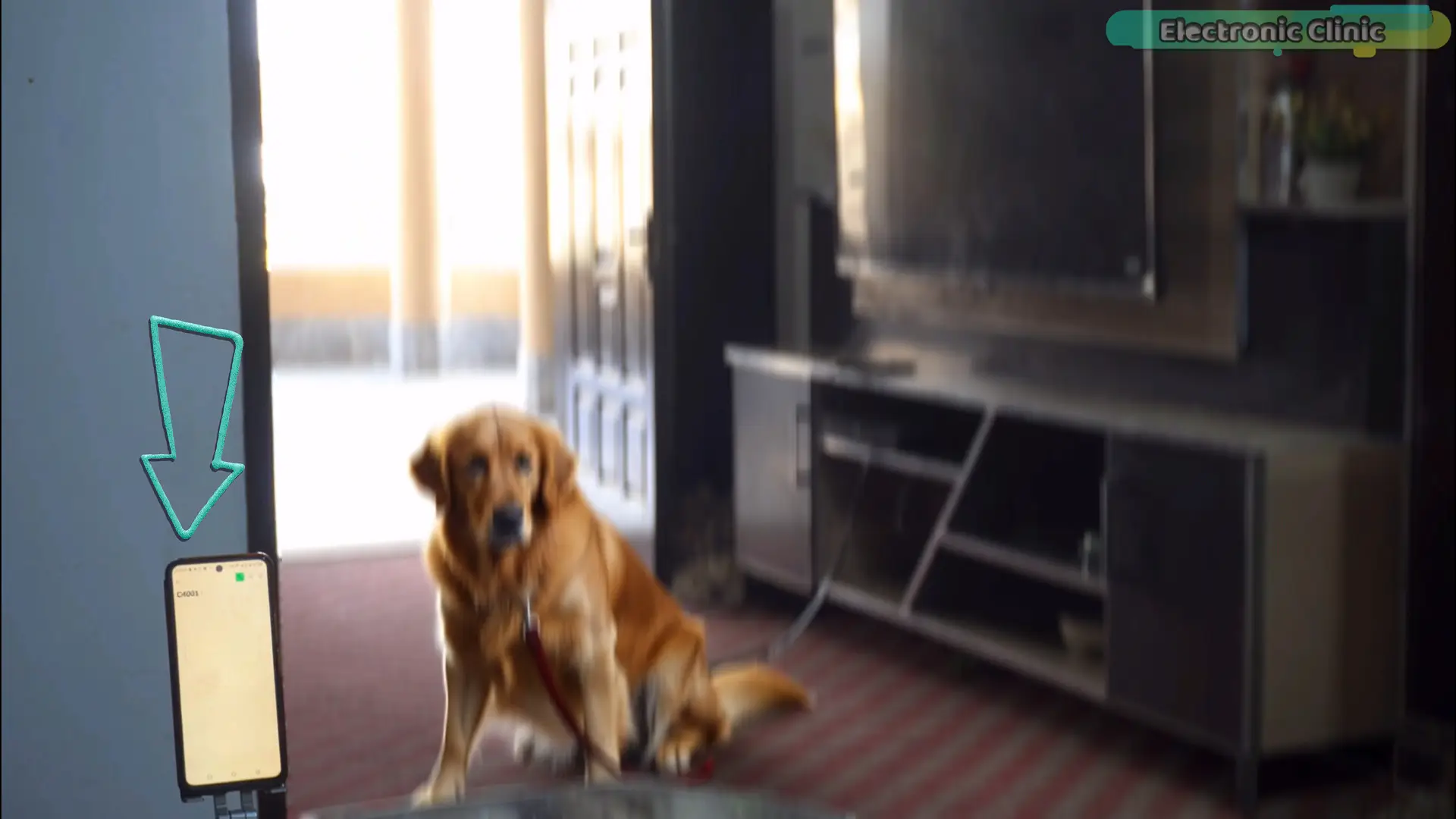
Moving, Walking, but there is no detection. The sensor is not triggering. And that is exactly what we wanted.
So yes; If you install your mmWave radar sensor correctly at the recommended height…
You can use it in homes with pets without worrying about constant false alarms.
Installation position changes everything.
Even when my parrots are flying inside the room; the mmWave sensor stays calm.
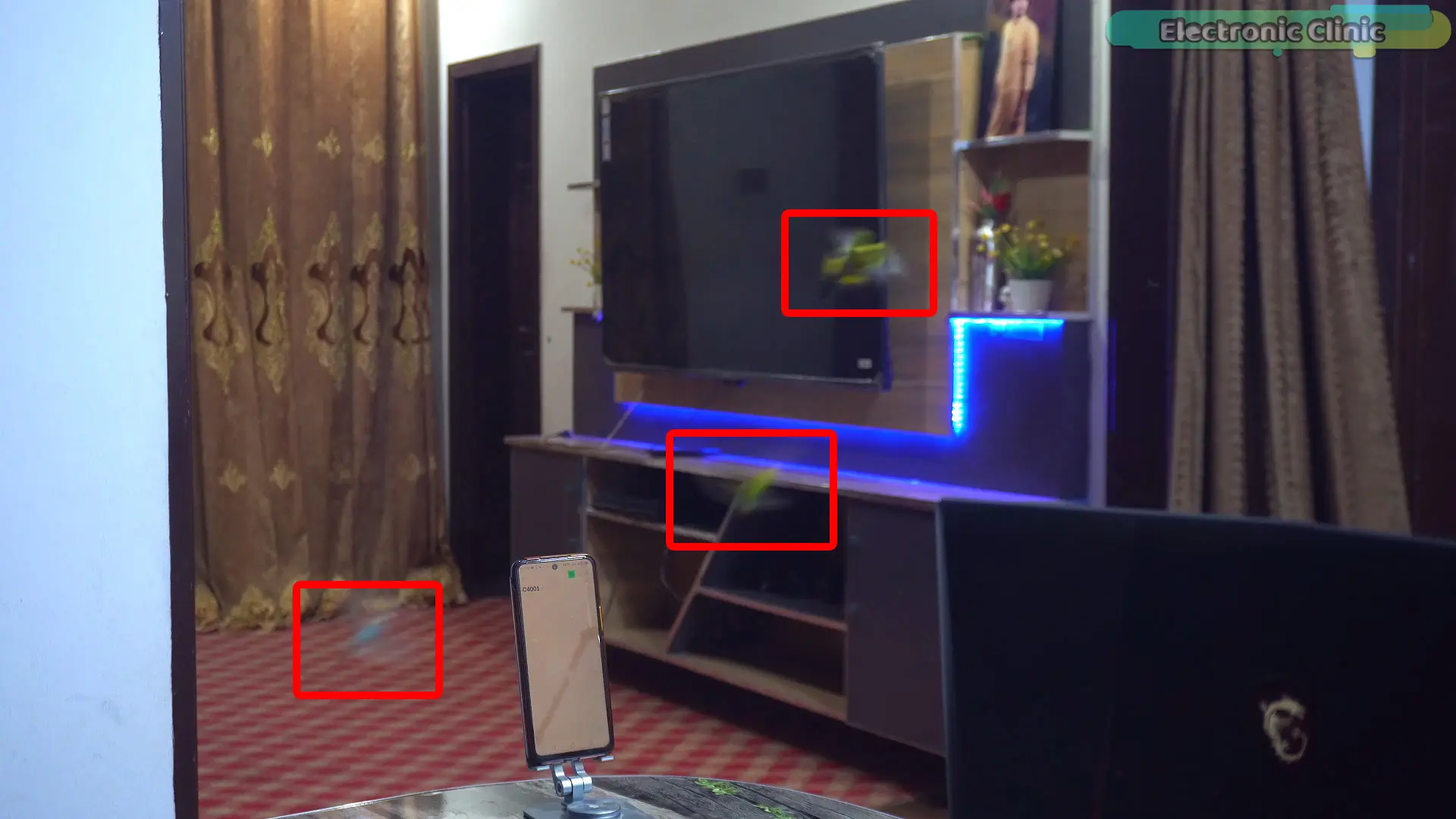
That tells you something.
It’s not just detecting motion.
It’s detecting meaningful human presence.
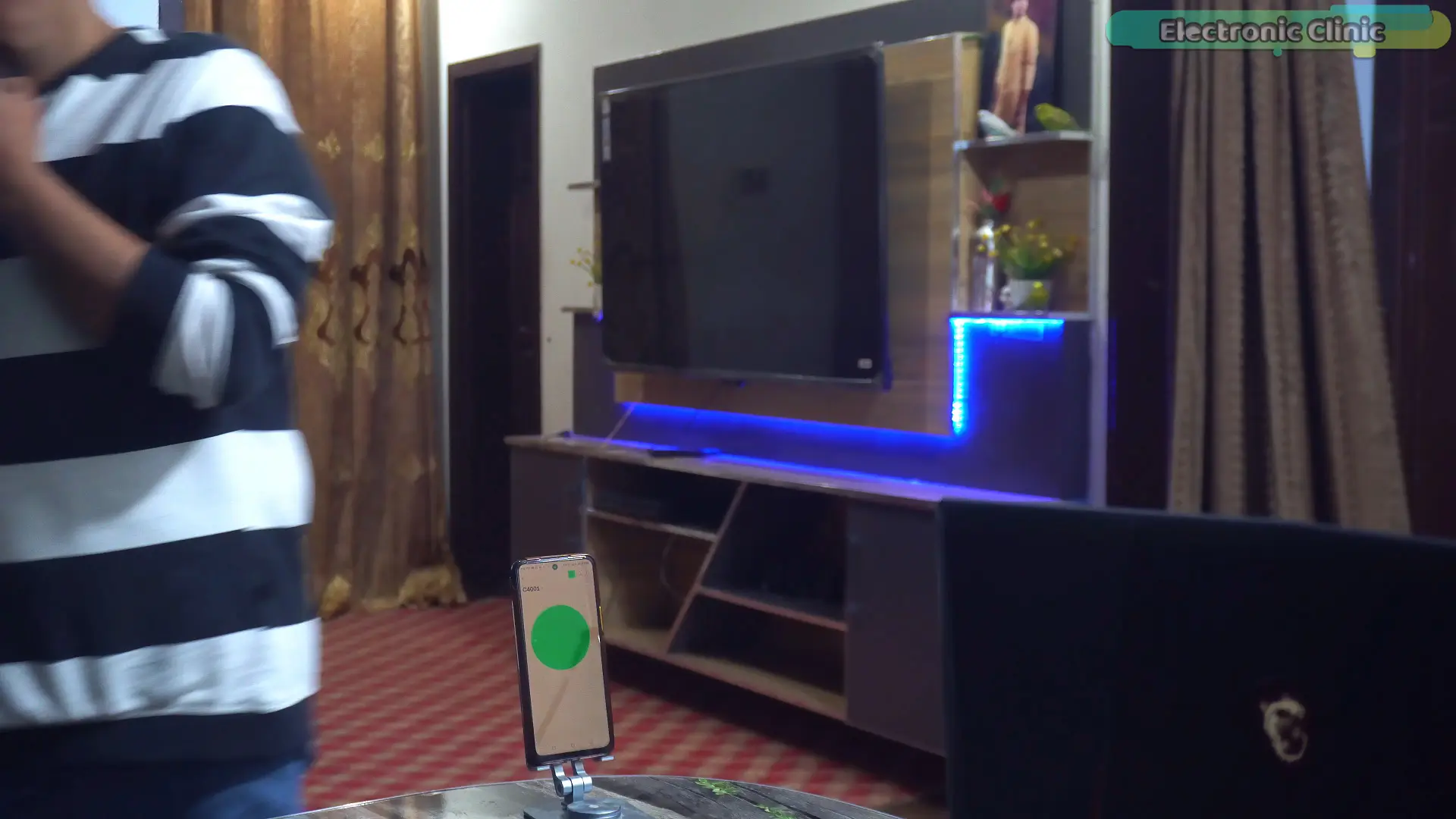
And this is exactly why installation height matters so much.
Because the same sensor; with the same code; can behave very differently just by changing its position.
So, that’s all for now.
Support me on Patreon:
If you enjoy my work and find these projects helpful, please consider supporting me on Patreon. With just $1, you can get access to all project source codes, schematics, and extra resources that I share with my supporters. Your support helps me continue creating new electronics tutorials, experiments, and open projects for the community. Thank you so much for being part of this journey and for supporting my work!
Watch Video Tutorial:
Discover more from Electronic Clinic
Subscribe to get the latest posts sent to your email.