Ultrasonic Sensor Insane Tests | Water, Dust, Underwater, & Accuracy Test
Last Updated on September 2, 2026 by Engr. Shahzada Fahad
Table of Contents
Description:
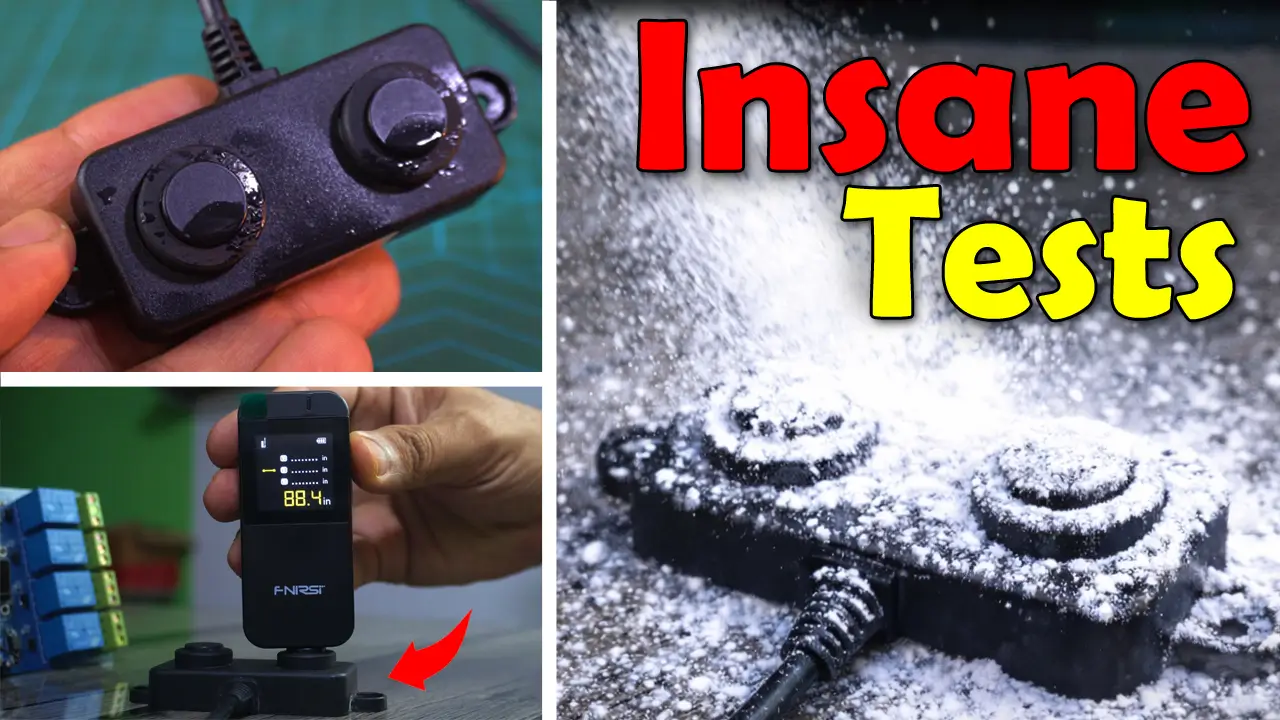
Today I am going to perform some insane tests on this waterproof ultrasonic sensor “A02YYUW”. Water, dust, and even underwater.
Many people say ultrasonic sensors fail in water tank projects.
So today we are going to find out the truth.
After reading this article, you might forget about the HC-SR04 ultrasonic sensor
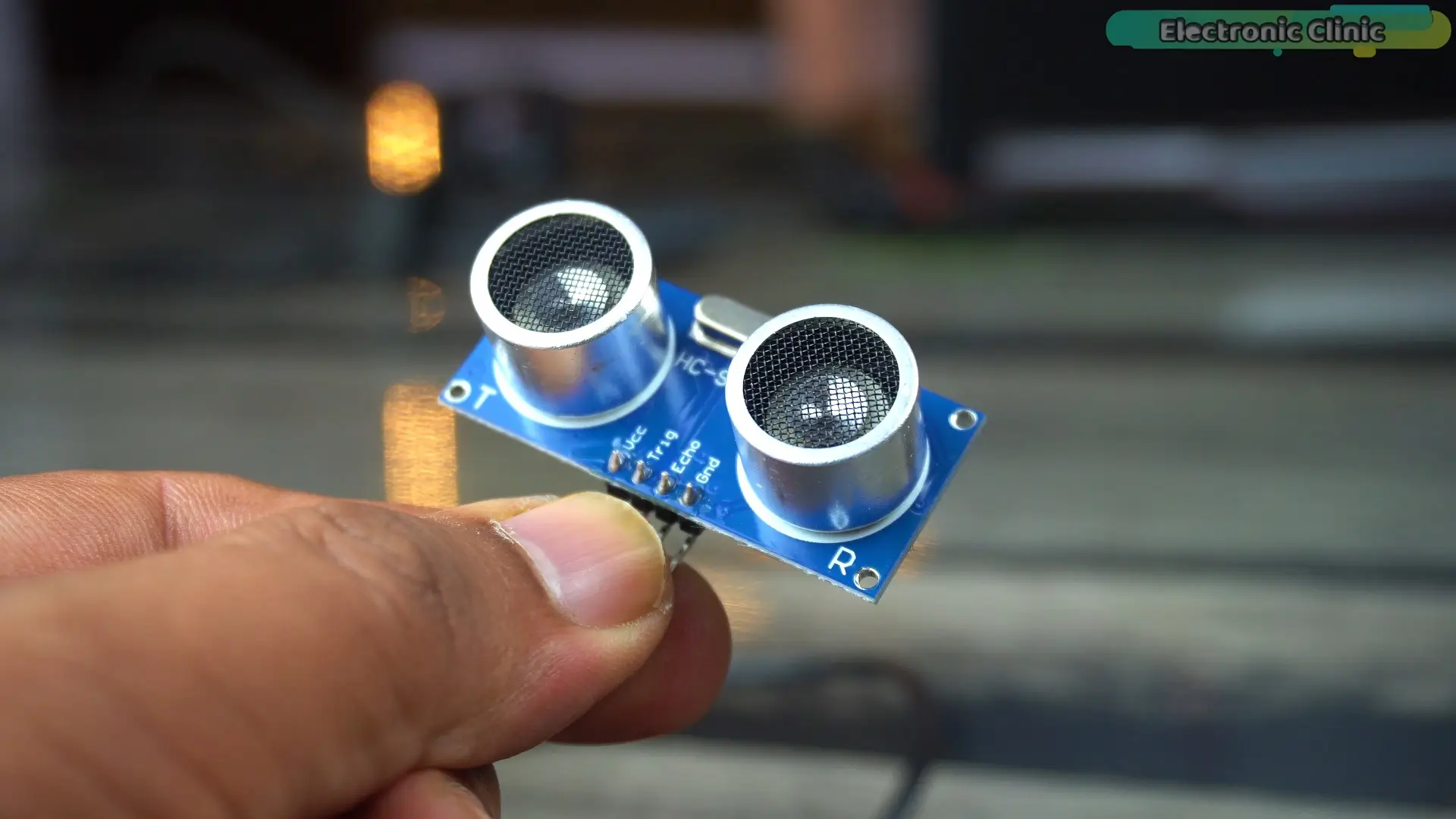
and the JSN-SR04T waterproof ultrasonic sensor.
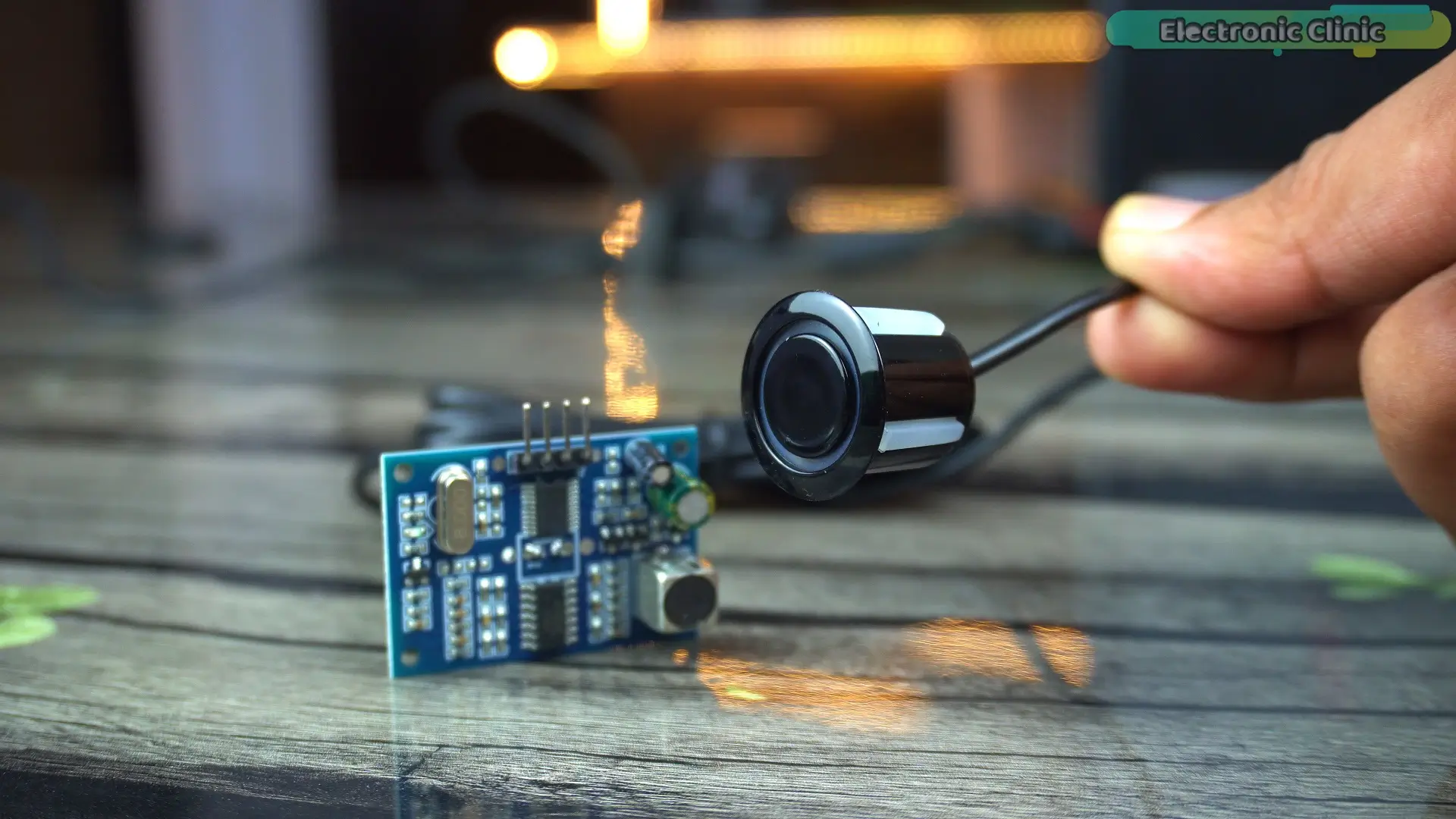
In my recent “Solar-Powered Water Tank Level Sensor” project, I also used the same A02YYUW waterproof ultrasonic sensor.
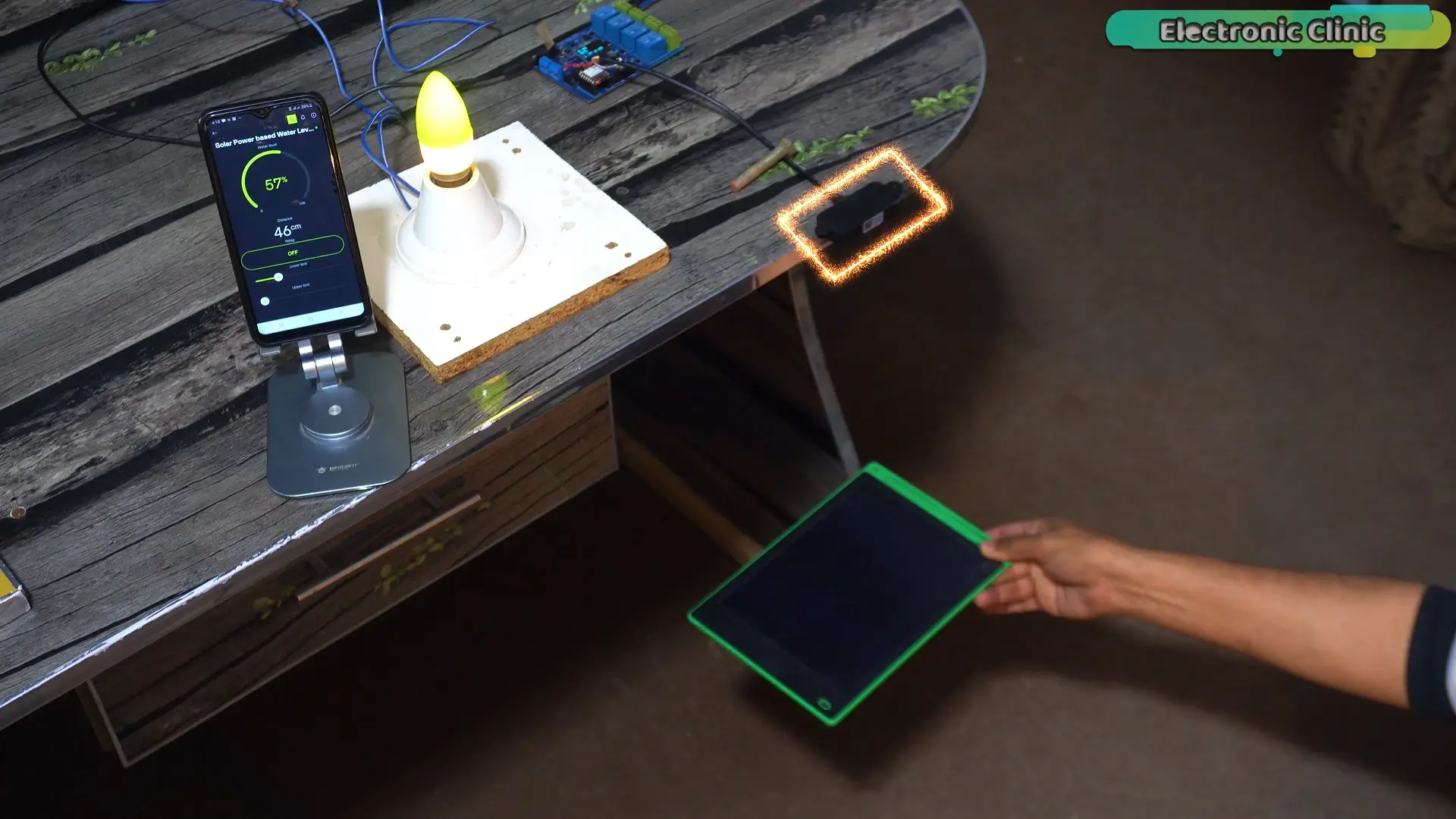
I am personally 100% satisfied with this ultrasonic sensor.
But after uploading that video, one viewer commented that ultrasonic sensors are not suitable for water tank level monitoring.
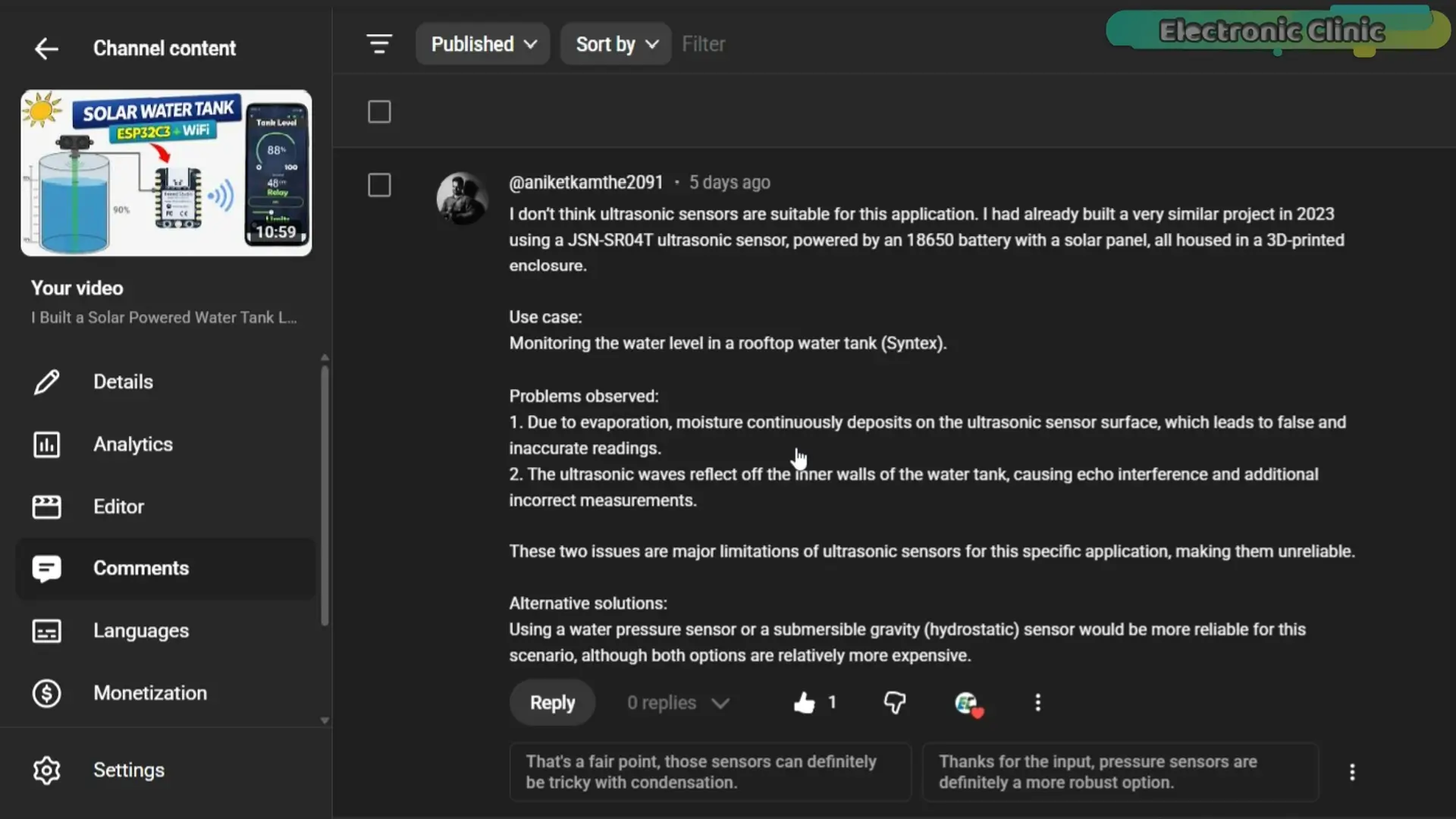
According to him, moisture can collect on the sensor surface and cause false readings. He also mentioned that ultrasonic waves can reflect from the tank walls, which may create echo interference and lead to inaccurate measurements.
And honestly… there is some truth in that.
The JSN-SR04T ultrasonic sensor is actually not very reliable. I tested it myself in the past, and after those tests, I stopped using it.
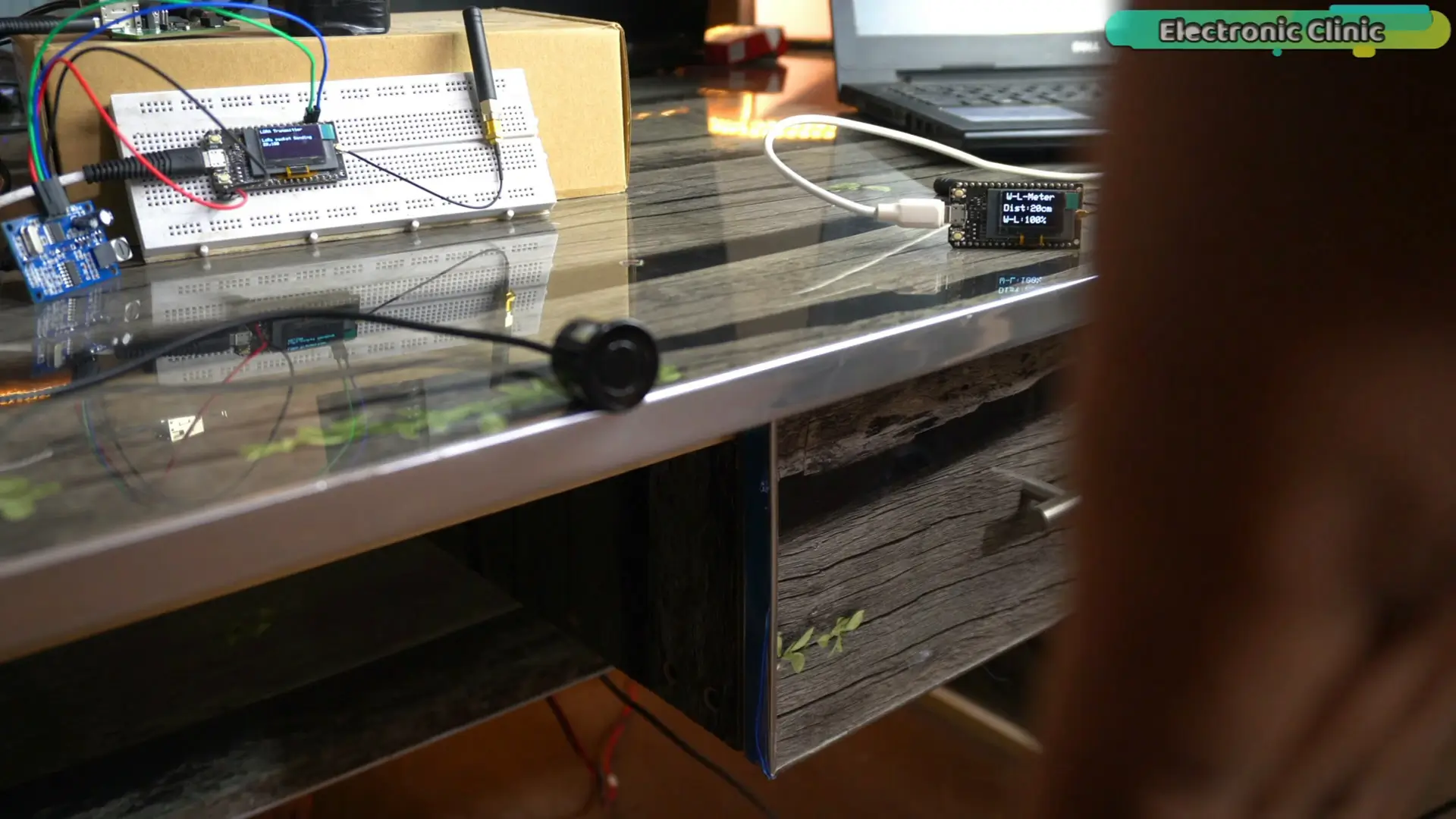
But in that project, I was not using the JSN-SR04T Ultrasonic Sensor.
I was using the A02YYUW waterproof ultrasonic sensor.

And that is exactly why I still recommend the A02YYUW.
So to remove this confusion once and for all, today I am going to put this sensor through some extreme tests.
First, we will check the accuracy of this ultrasonic sensor.
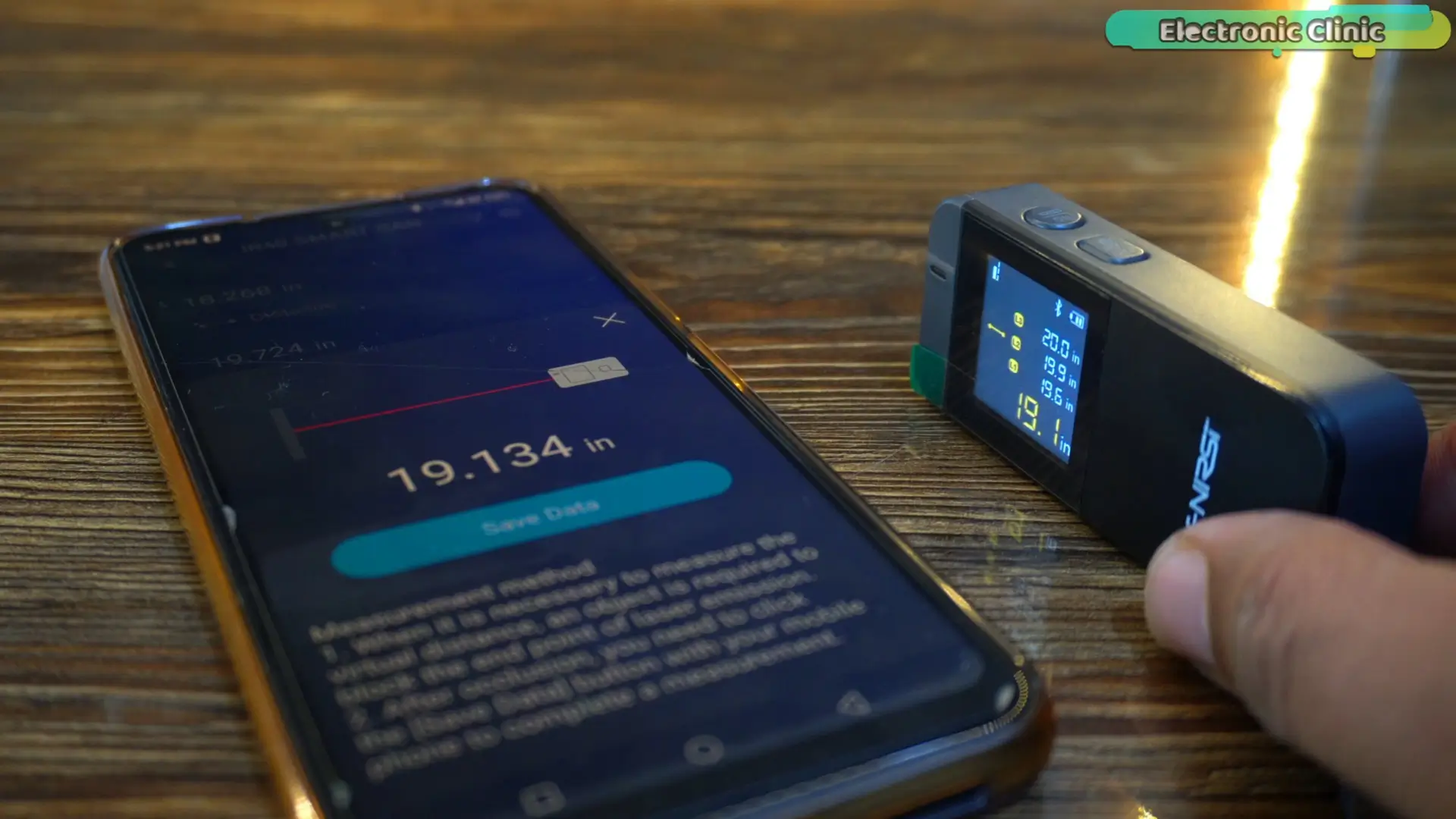
For that, I will compare its reading with a professional laser rangefinder.
Then we will move to the moisture test. Because in real projects, moisture can easily build up on the sensor surface.
But we won’t stop there.
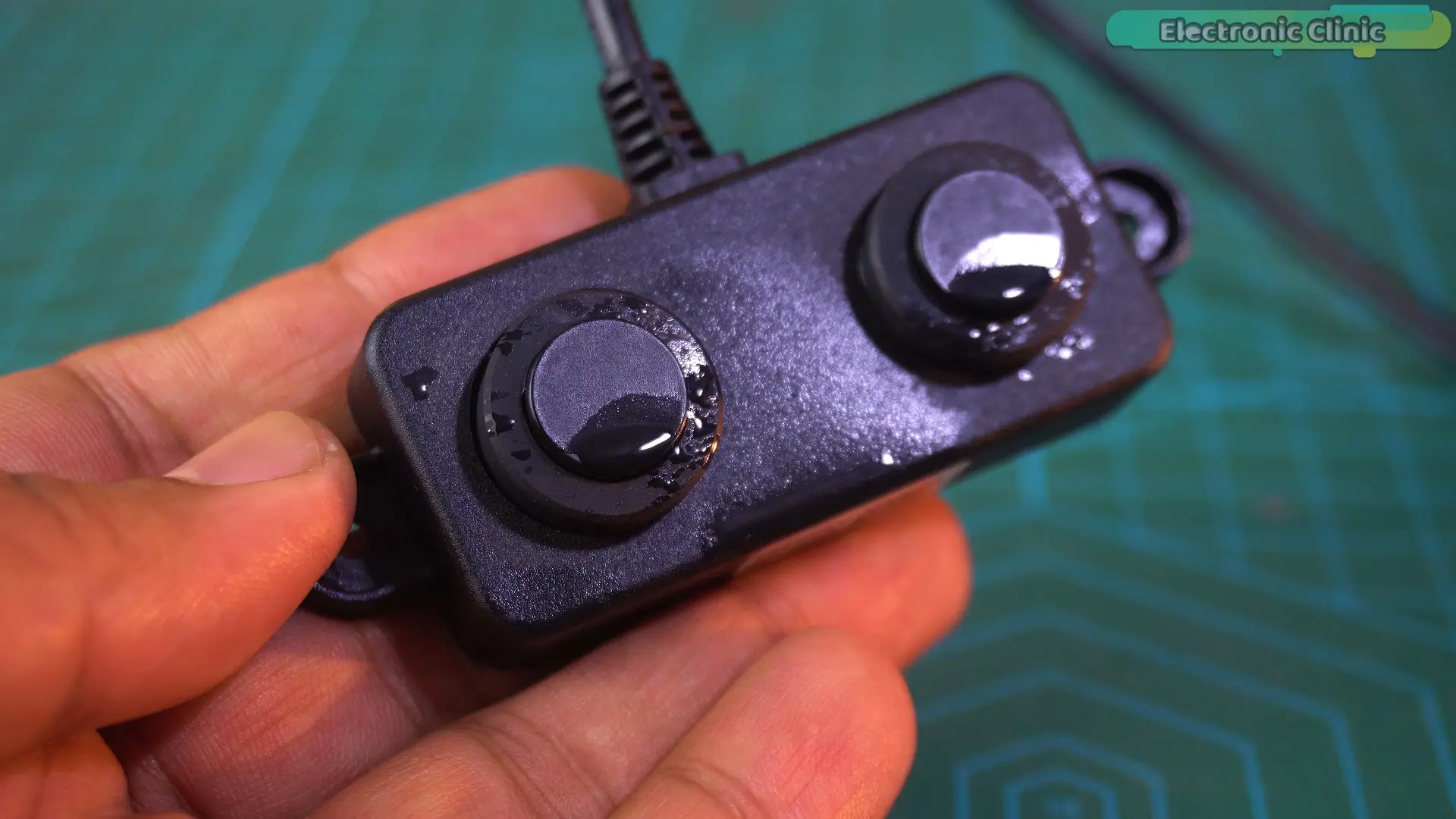
After that, I will spray water directly on the sensor. When the surface is covered with water droplets, we will see the true capability of this sensor. If it can still measure the distance correctly, then it could be a great choice for outdoor and water level monitoring projects.
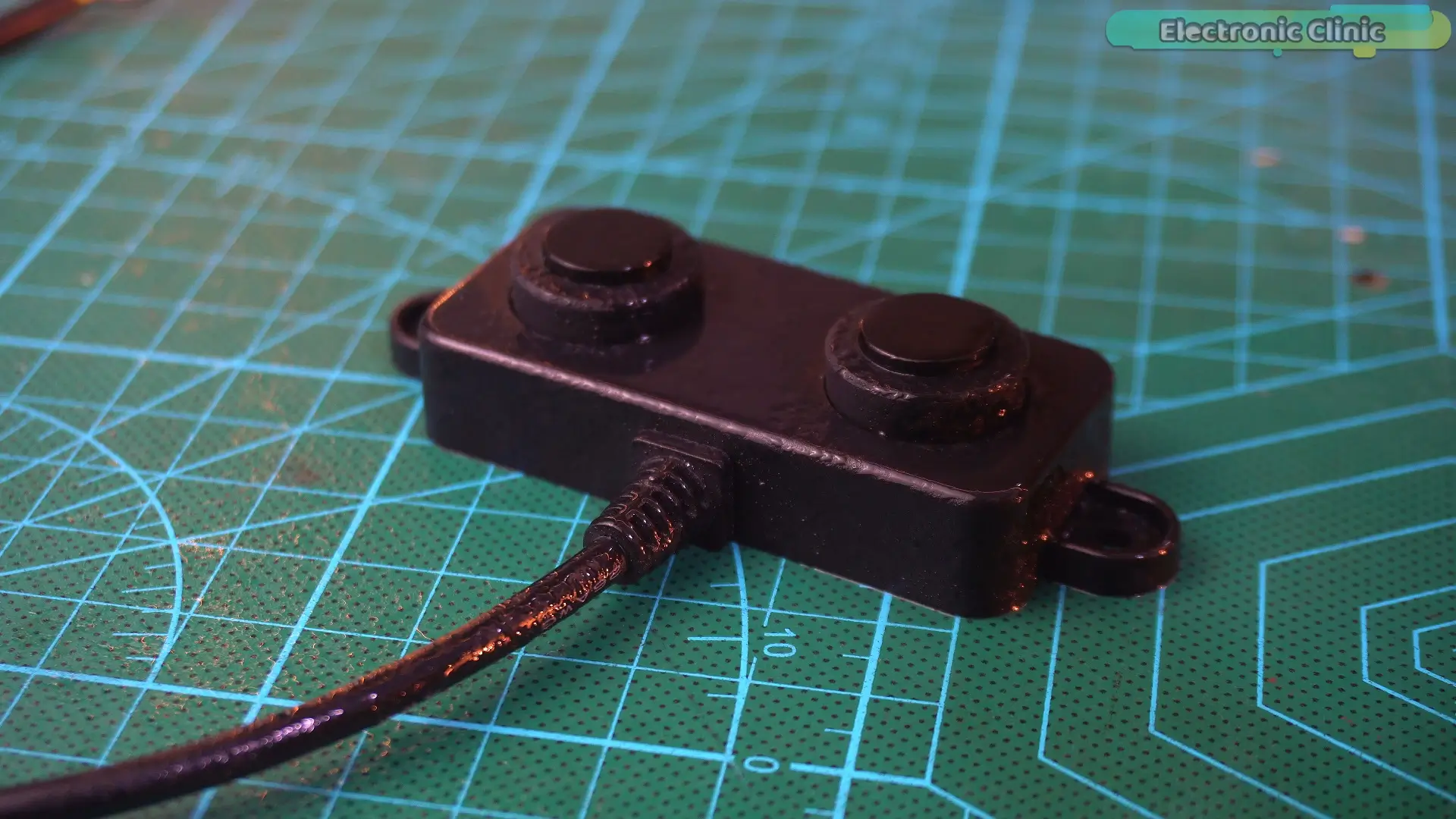
But there is another real-world problem.
If this sensor is used in cars, robots, or outdoor systems, dust can easily collect on the surface.
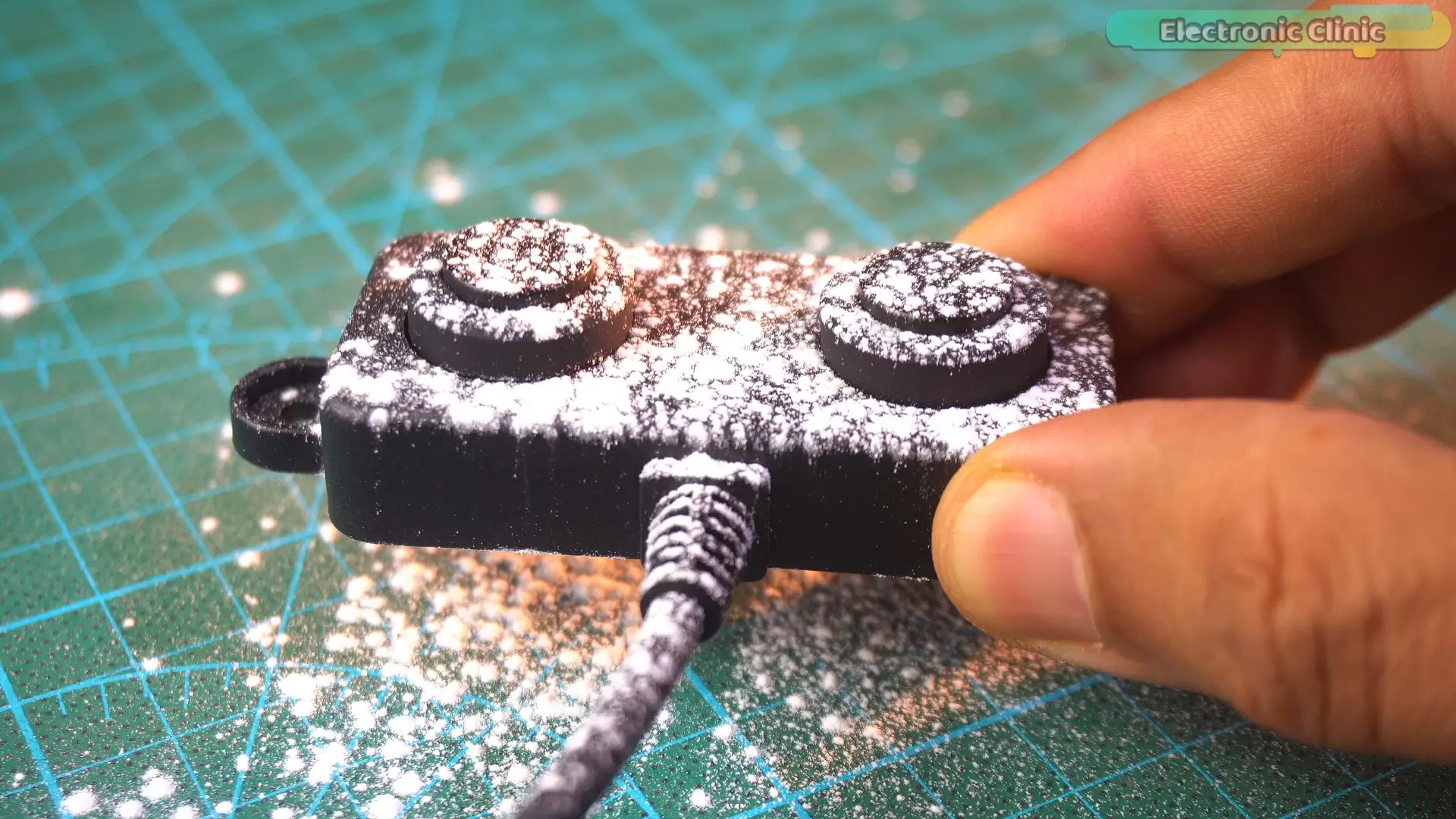
So we will also perform a dust test.
And finally… there is one question many people ask.
Can a waterproof ultrasonic sensor actually work underwater?
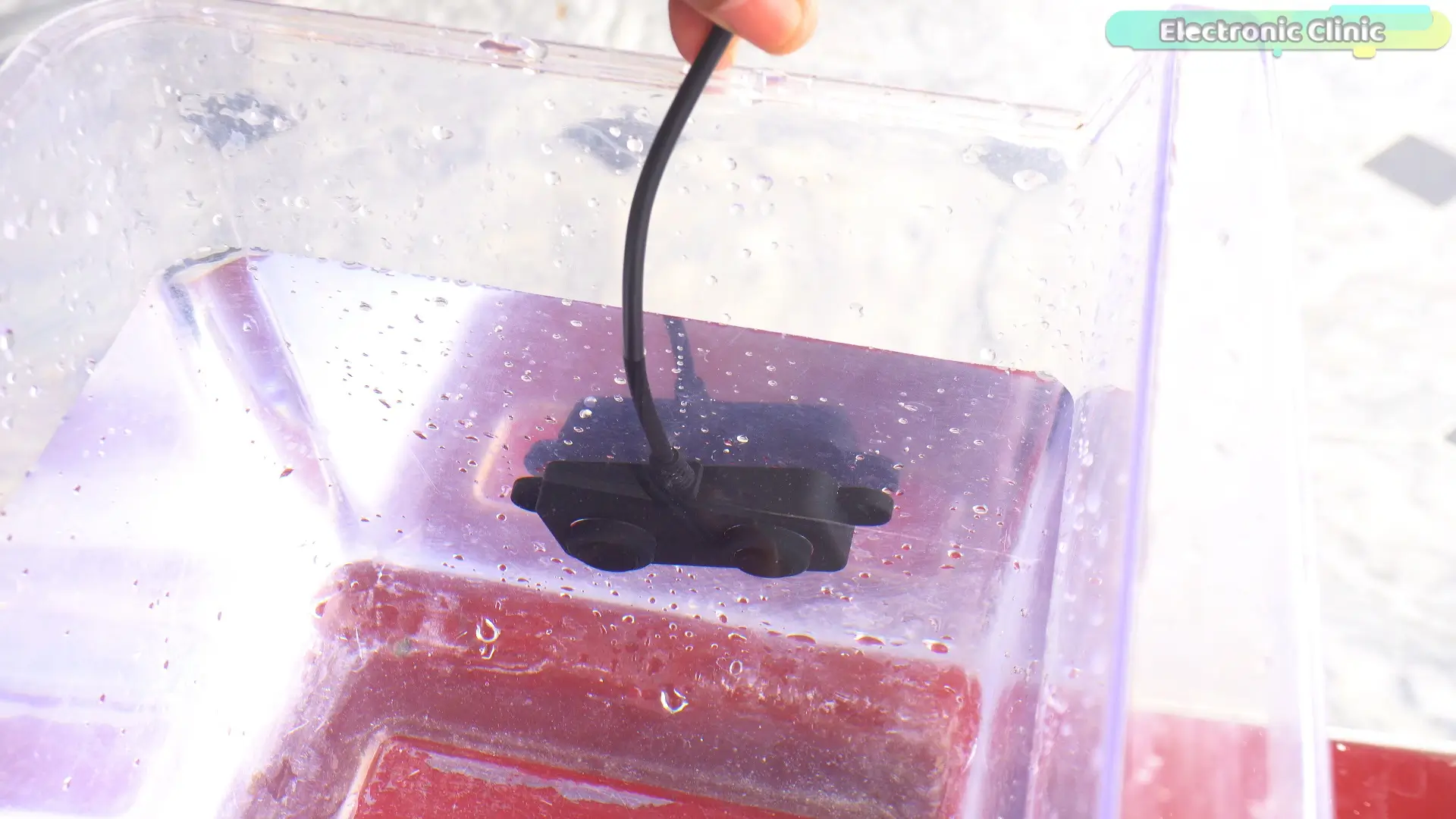
The A02YYUW ultrasonic sensor is waterproof, but it is not designed for underwater applications. And today, I will show this practically, so this confusion is completely cleared.
So, without any further delay, let’s get started!!!
Amazon Links:
A02YYUW Waterproof Ultrasonic Sensor “UART Version”
Other Tools and Components:
ESP32 WiFi + Bluetooth Module (Recommended)
Arduino Nano USB C type (Recommended)
*Please Note: These are affiliate links. I may make a commission if you buy the components through these links. I would appreciate your support in this way!
This is the same setup I used in my solar-powered water level monitoring project.
So if you want to learn about the wiring and programming, you can watch that video first or you can also read the article.
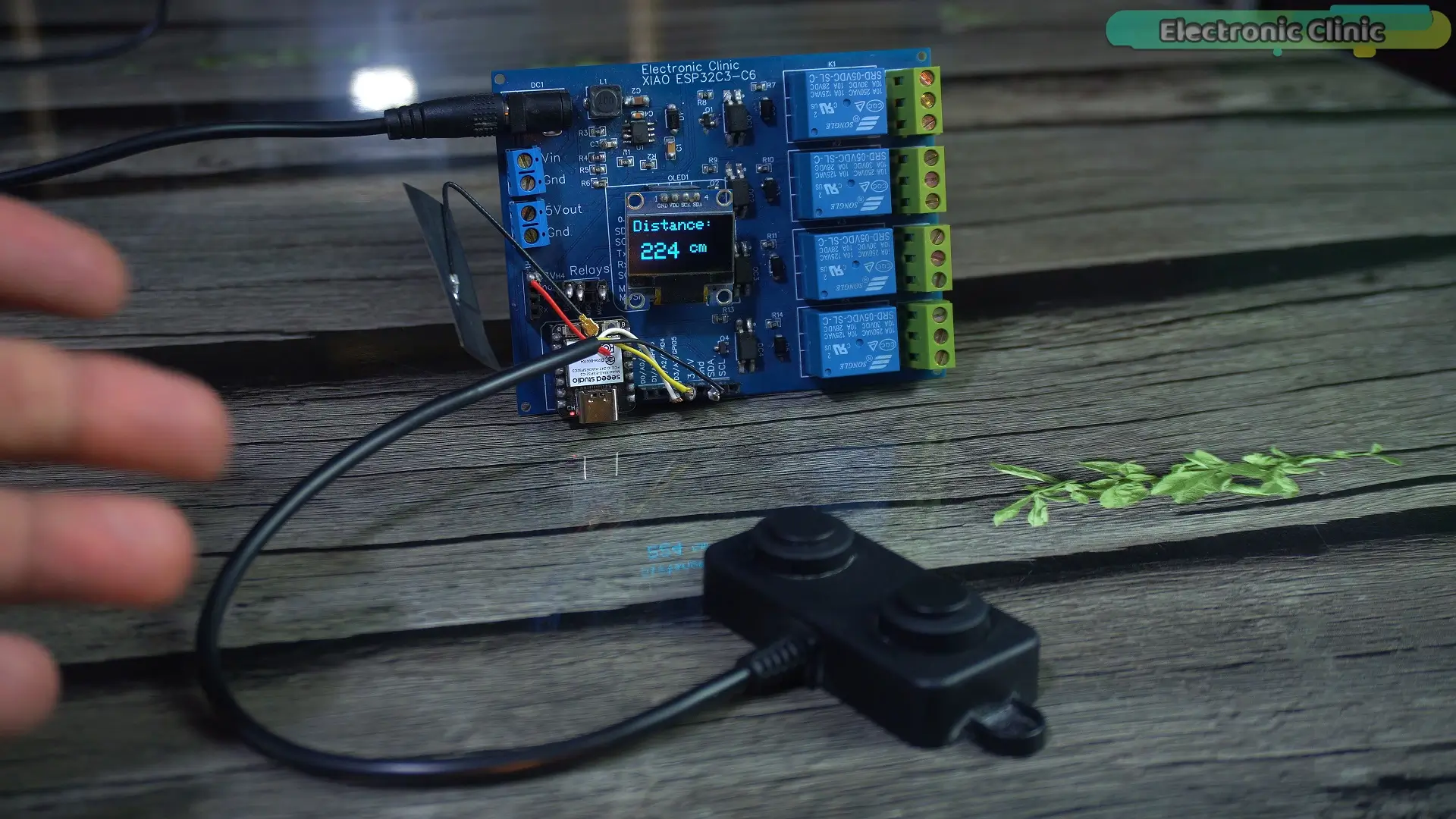
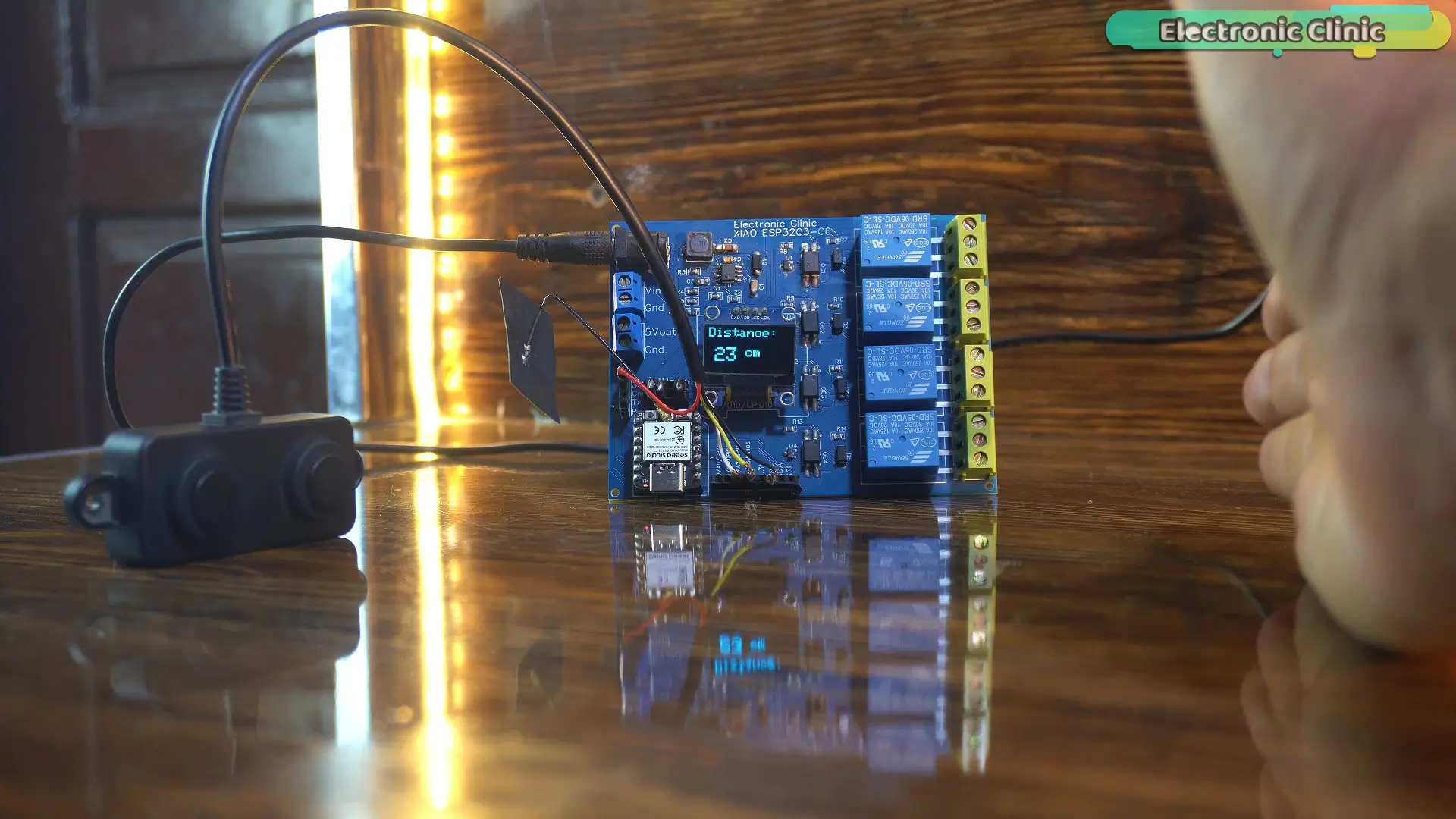
You can see the distance in centimeters on the SSD1306 OLED display module.
As I move my hand, the distance value changes in real time.
You can already see it is very fast.
There is no lag at all.
It looks perfect.
Anyone who sees this will be impressed.
But the real question is…
Is this distance actually accurate?
To find out how accurate this sensor really is, I am going to compare it with this professional laser rangefinder.
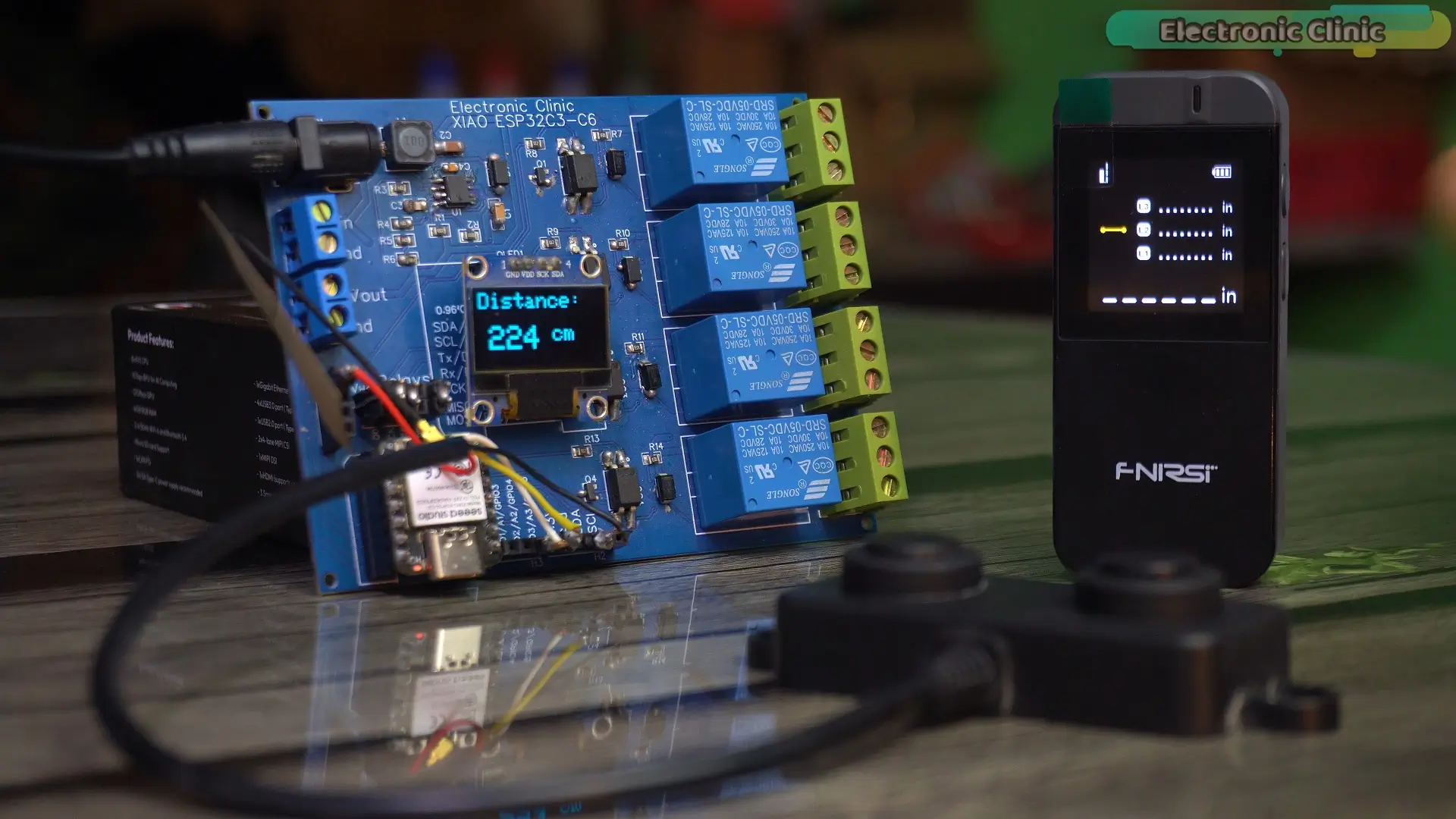
Ultrasonic Sensor Distance Accuracy Test:
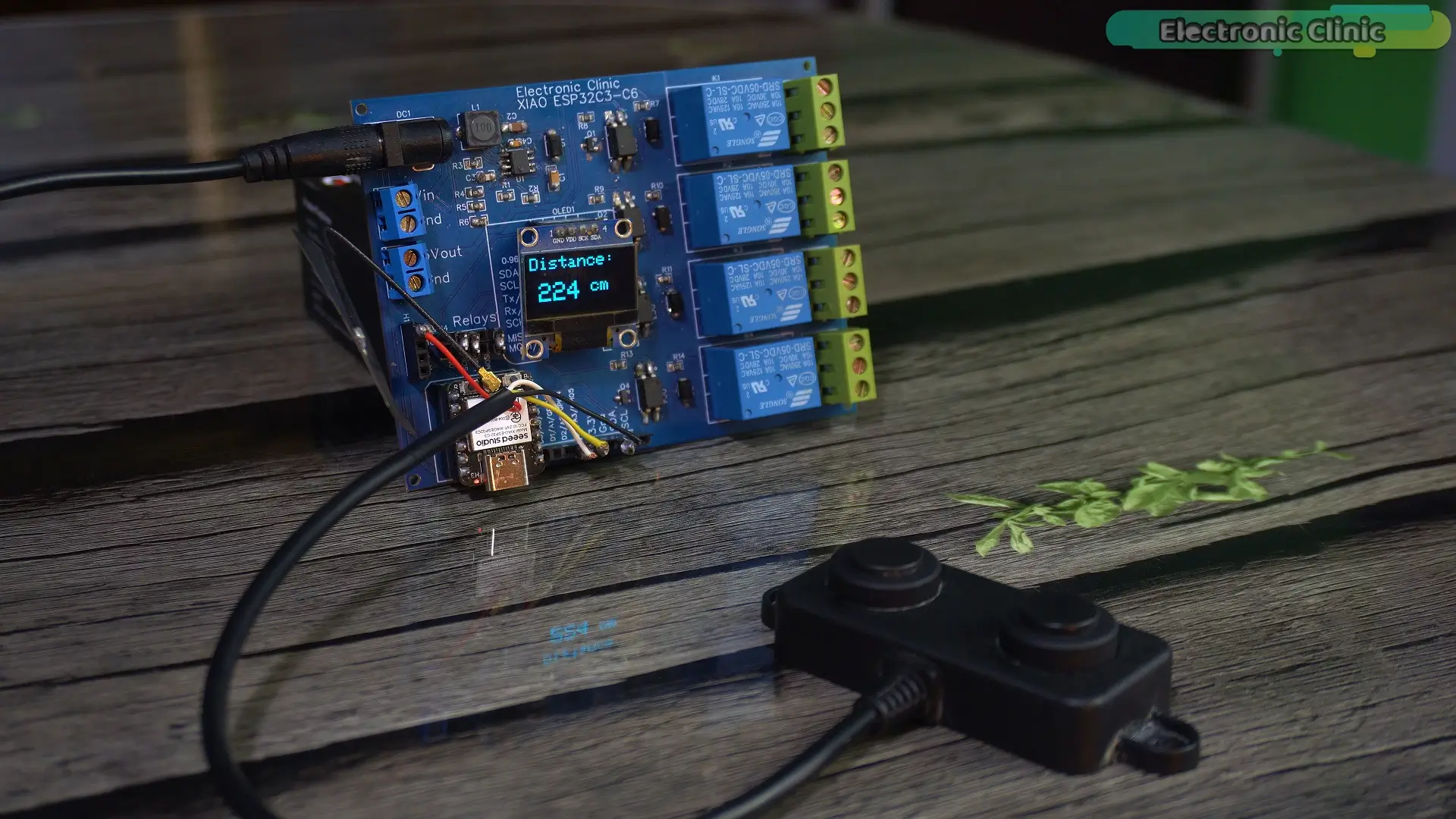
Right now, I am measuring the distance from here to the ceiling. If you look at the display, the value is fluctuating between 223 and 225 centimeters. That’s quite a long distance.
Now you might be wondering why I chose such a long distance for this test. The reason is simple. When you test sensors at a short distance, the error is usually very small and hard to notice. But when the distance becomes larger, even a small error becomes much easier to see. That’s why I decided to perform all these tests at a long distance, so we can clearly see how accurate this sensor really is.
So let’s start with the accuracy test.
According to the A02YYUW waterproof ultrasonic sensor, the measured distance is around 224 centimeters. But of course, we need something reliable to compare it with. That’s why I am going to measure the same distance using this professional laser rangefinder, which is known for its high accuracy.
Let’s check the reading.
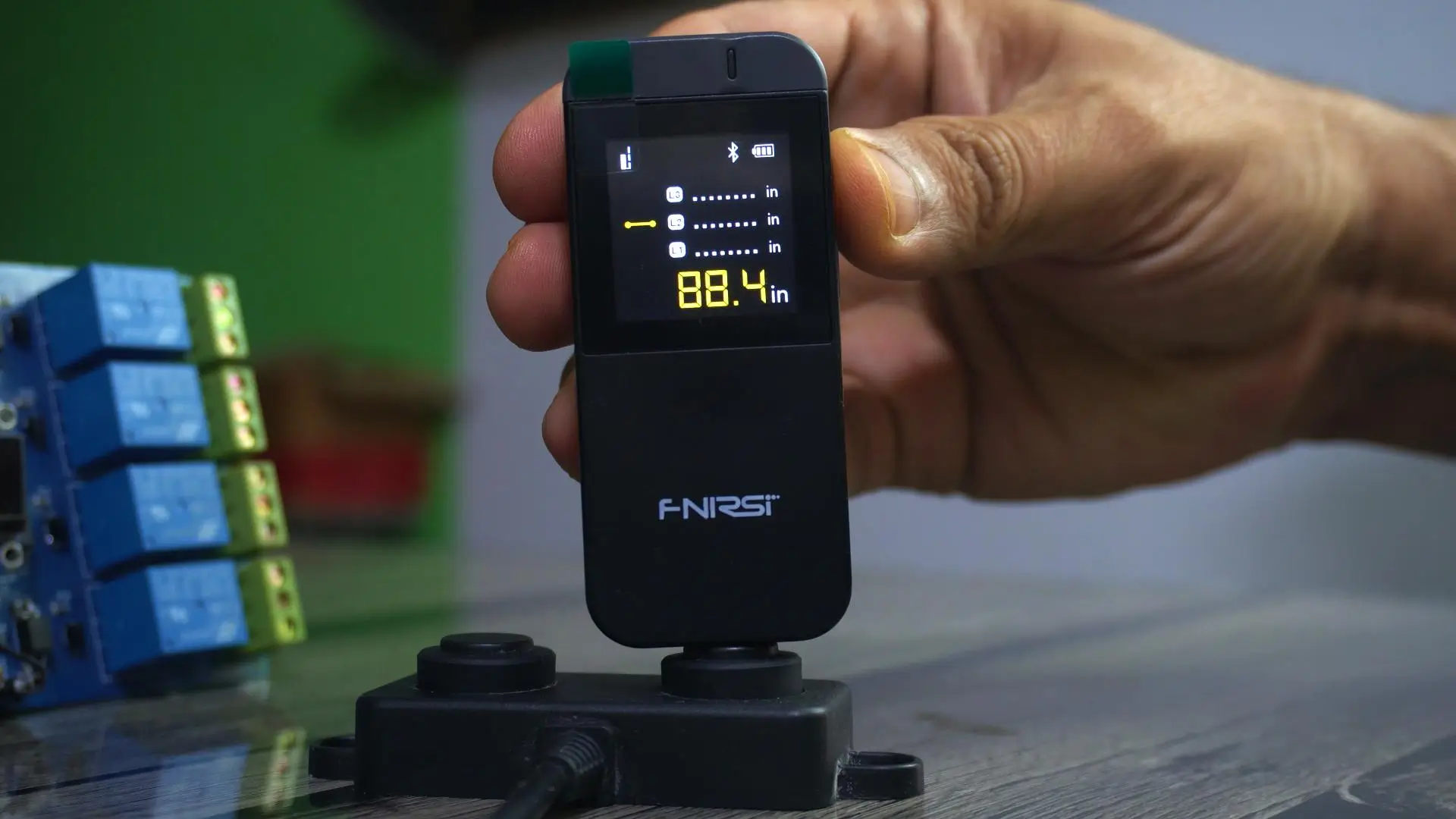
The distance measured with the laser rangefinder is 88.4 inches. Now if we convert 88.4 inches into centimeters, the result is 224 centimeters.
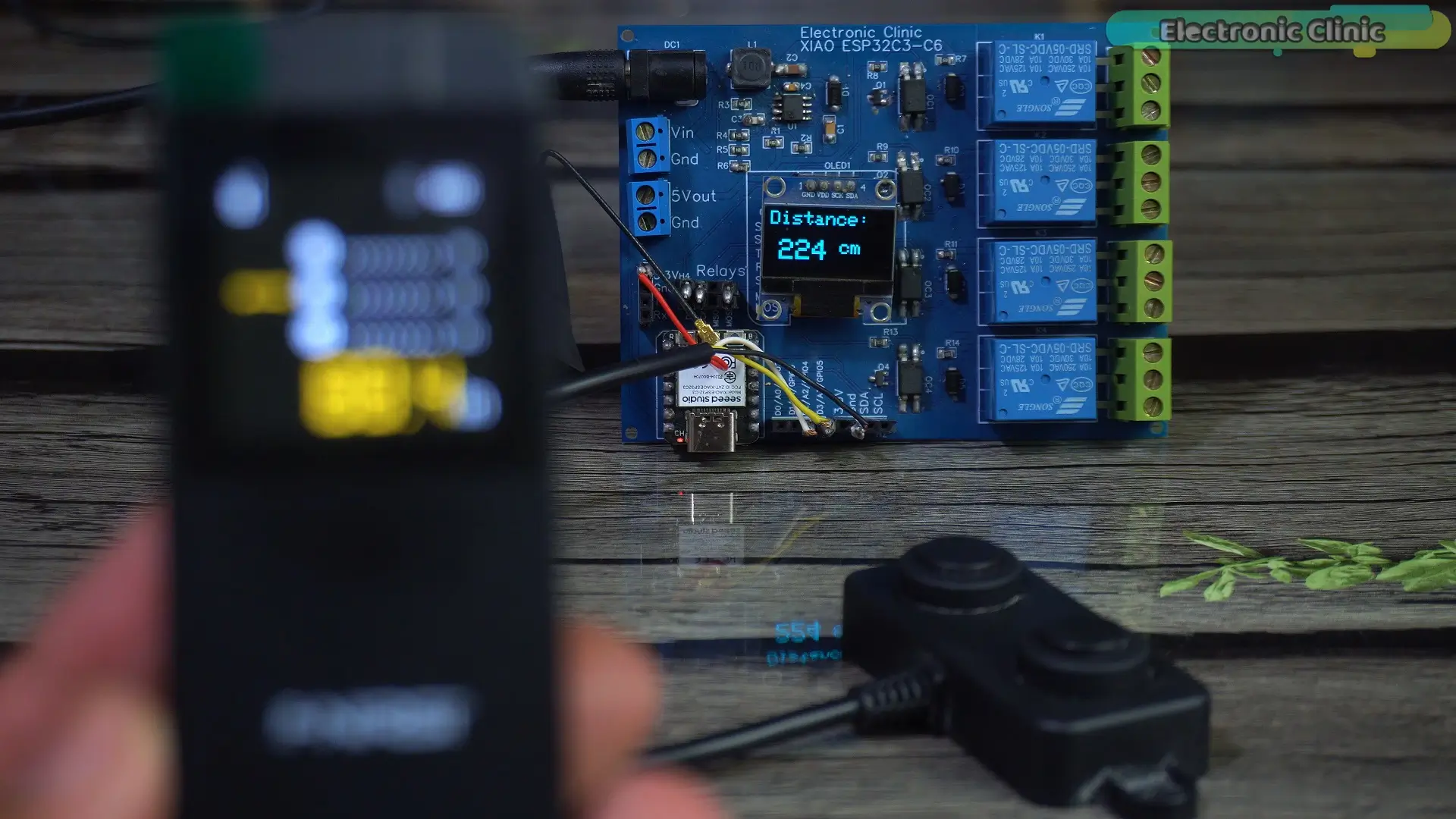
And honestly… this is absolutely mind-blowing.
The reading from the ultrasonic sensor and the professional laser rangefinder perfectly match. This level of accuracy is really impressive. In fact, this is the kind of performance you usually don’t see with sensors like the HC-SR04 or the JSN-SR04T.
Ultrasonic Sensor Moisture Test:
Next, it’s time for the moisture test.
In real life, sensors are not always used in perfect conditions. If you install this sensor in a water tank project, or use it outdoors, moisture can easily build up on the sensor surface.
And as one viewer mentioned in the comments, moisture can sometimes cause false readings with ultrasonic sensors.
So the big question is: will this sensor still measure the distance correctly when it gets wet?
Let’s find out.
I am now adding moisture on the surface of the sensor… and we will check if the distance reading changes.
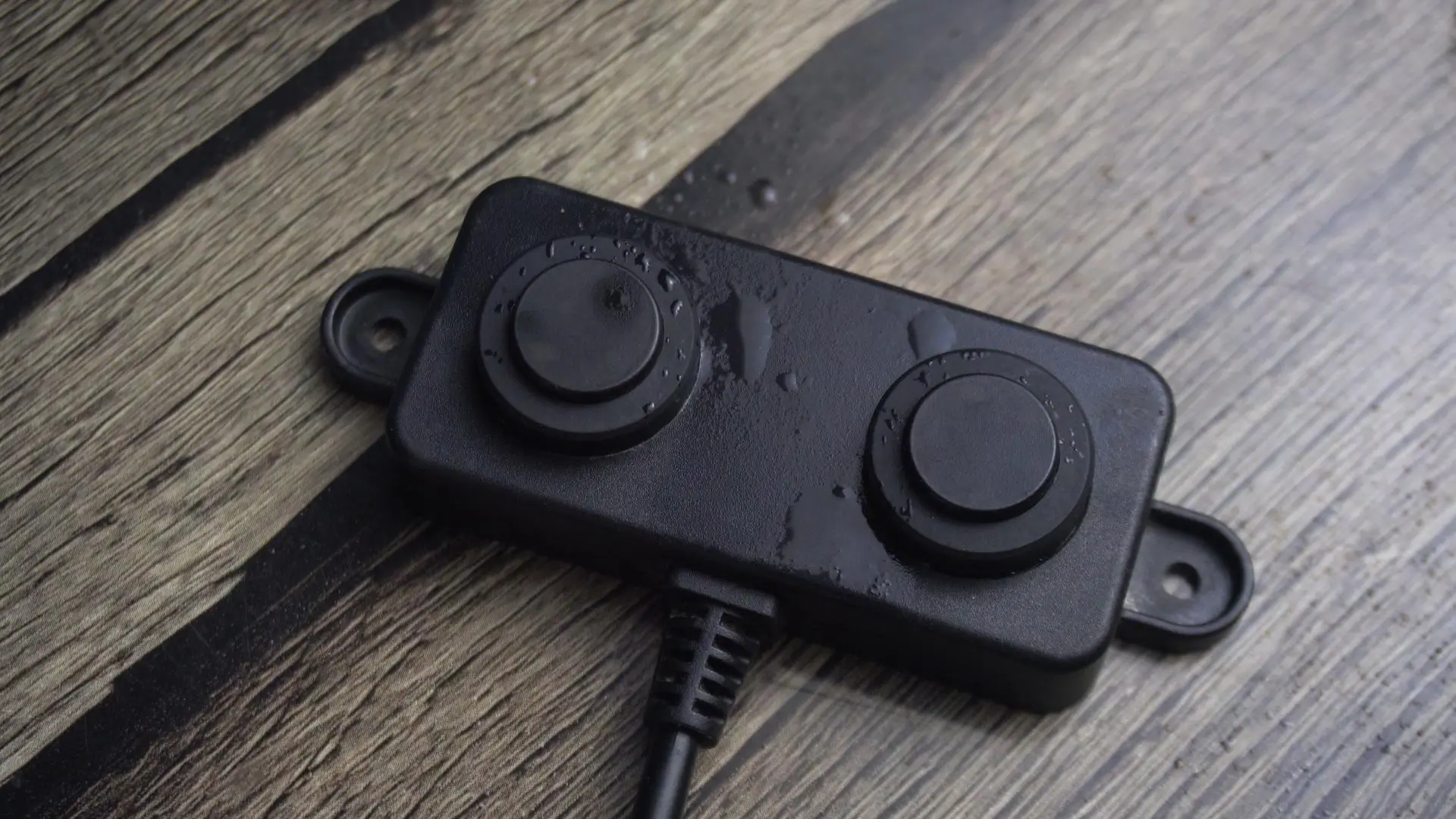
And… look at that. The sensor is still measuring the distance accurately.
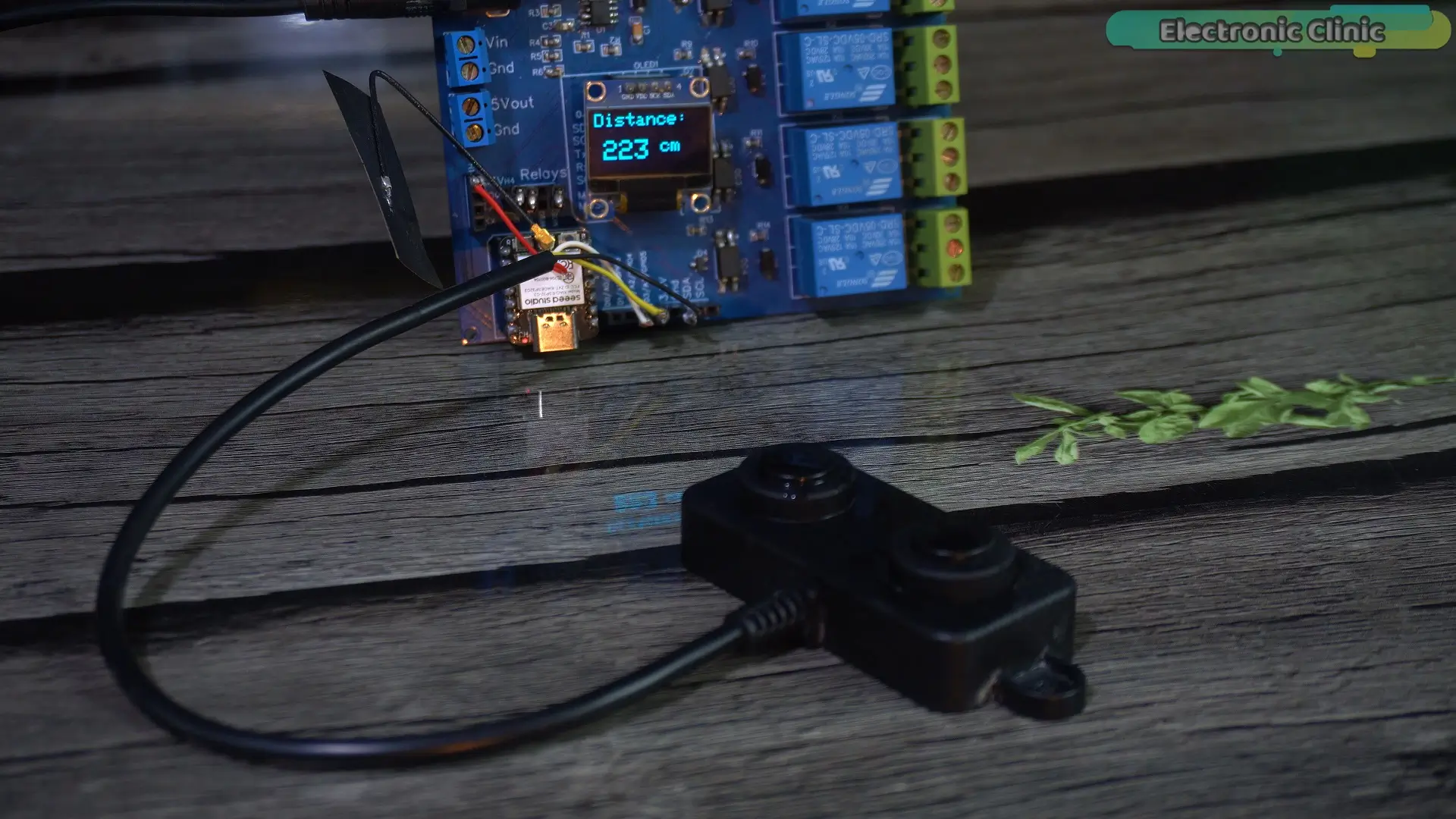
That’s actually very impressive. The A02YYUW waterproof ultrasonic sensor has successfully passed the moisture test. Even when the sensor surface is wet, it still provides a stable and accurate distance measurement.
Ultrasonic Sensor droplets Test:
Now it’s time for the extreme test.
So far, the sensor has performed really well. It passed the accuracy test, and it also handled the moisture test without any problem. But now we are going to take things one step further.
This time, I am not just adding a little moisture. I am going to spray water directly on the sensor. Yes… directly on the surface.
If the sensor can still work in this situation, then honestly, it will win my heart.
Because in real projects, especially in water tank level monitoring systems, water droplets can easily form on the sensor surface. And if the sensor stops working in that situation, then it cannot be trusted for real-world applications.
So this is going to be a serious test.
In fact, I don’t think anyone has performed this kind of extreme test on this sensor before. And after this experiment, we will clearly see the true capability of this ultrasonic sensor.
Alright… let’s do it.
I am now going to spray water on the sensor.
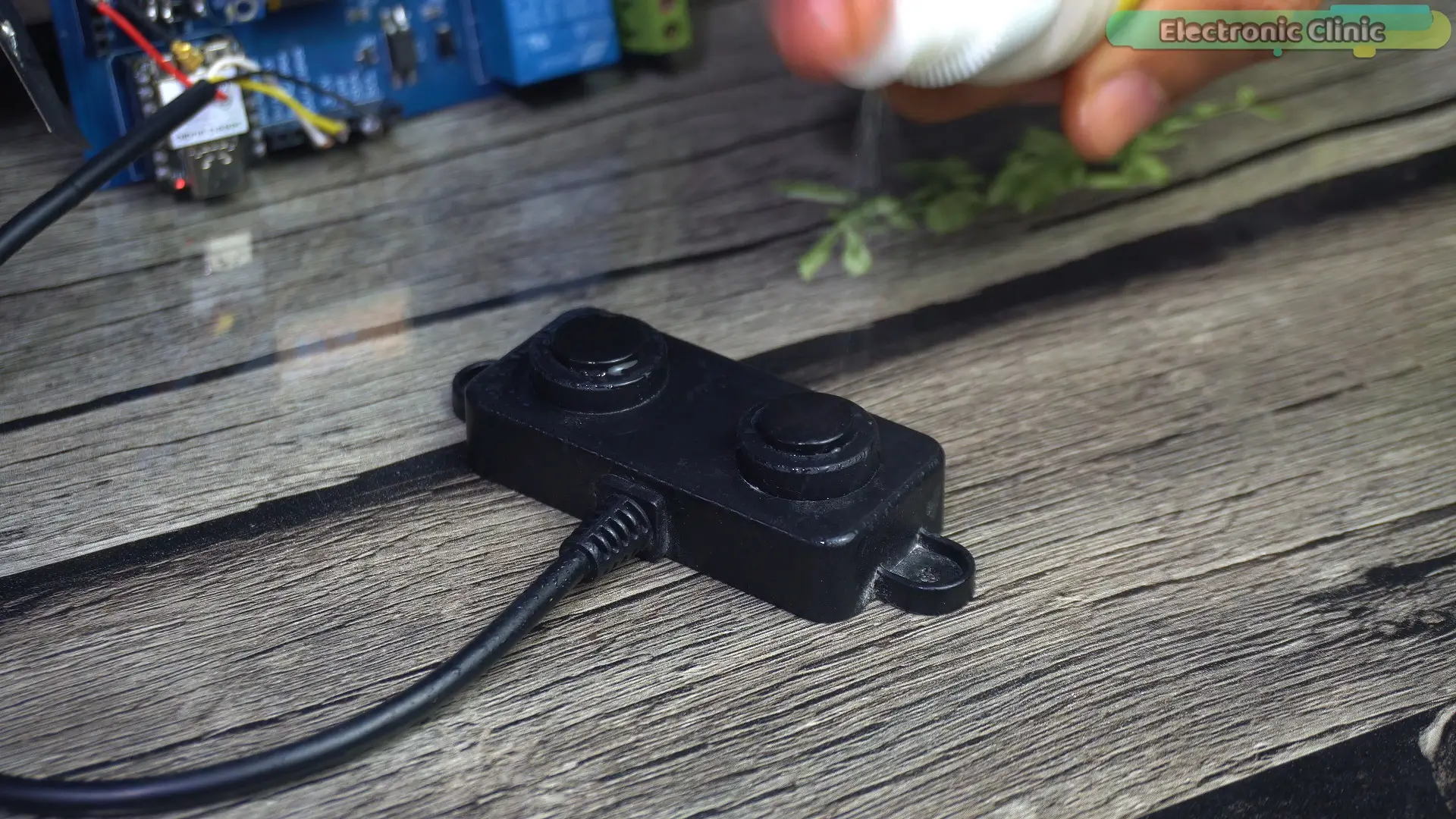
Look at that…
Oh my God… I honestly can’t believe this.
Even though there are water droplets on the sensor, the display is still showing almost the exact same distance. The sensor is still working perfectly, without any strange readings.
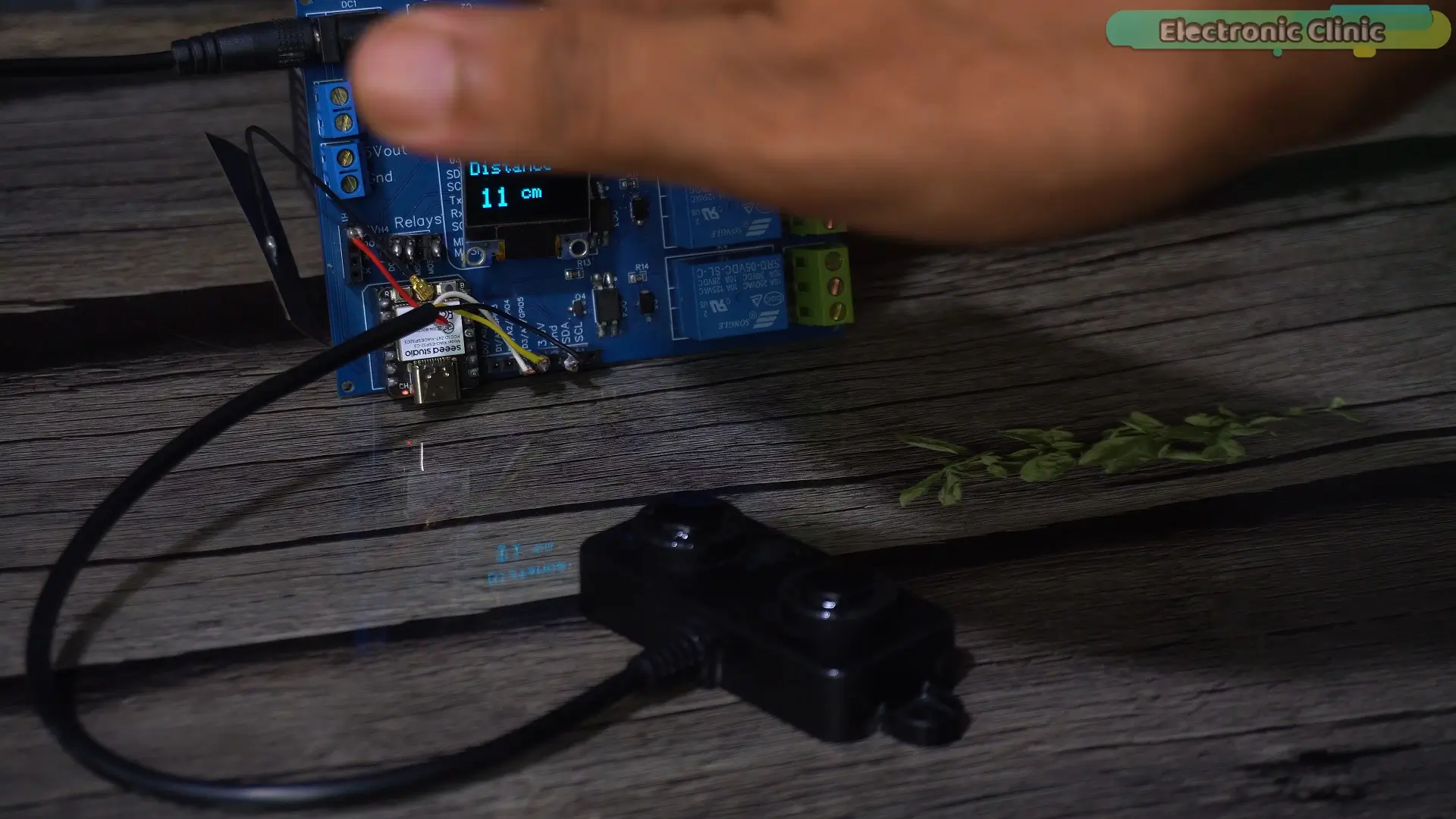
That is really impressive.
This means the A02YYUW waterproof ultrasonic sensor can still perform very well even when the surface is covered with water droplets.
So after watching this test, I believe your confusion should now be completely cleared. You can now confidently use this waterproof ultrasonic sensor in water level monitoring projects, without worrying too much about moisture or water droplets.
Ultrasonic Sensor Dust Test:
Next, it’s time for the dust test.
In many real-world projects, sensors are not used in clean laboratory conditions. If you install them in places like garages, factories, robots, or outdoor systems, dust can slowly collect on the sensor surface. And sometimes people worry that dust might affect the distance measurement.
So let’s see what happens when this sensor faces a dusty environment.
For this test, I am going to use this powder to simulate dust.
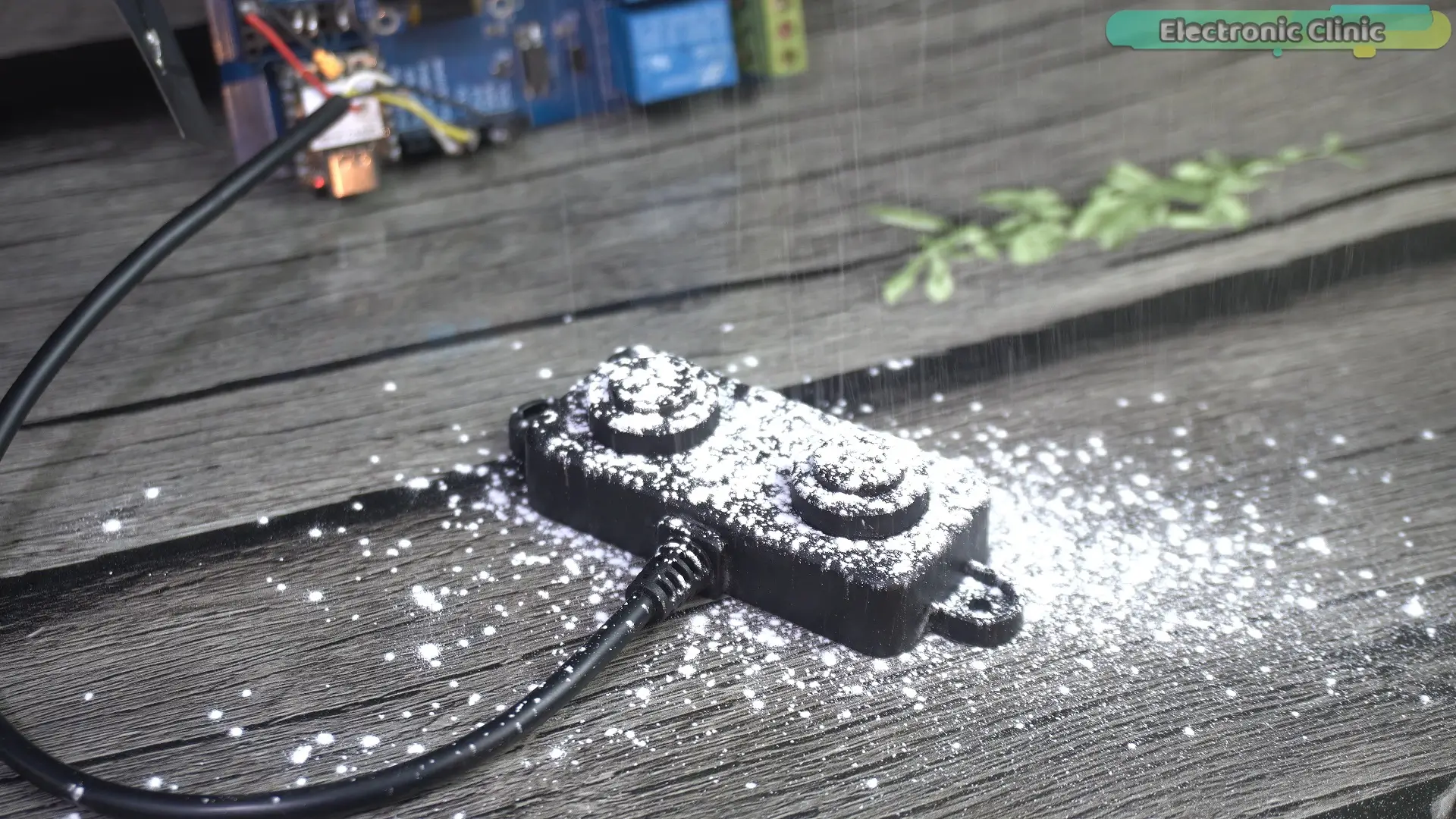
And as you can see, I am not adding just a little bit… I am putting quite a lot of powder directly on the sensor.
Now let’s look at the display.
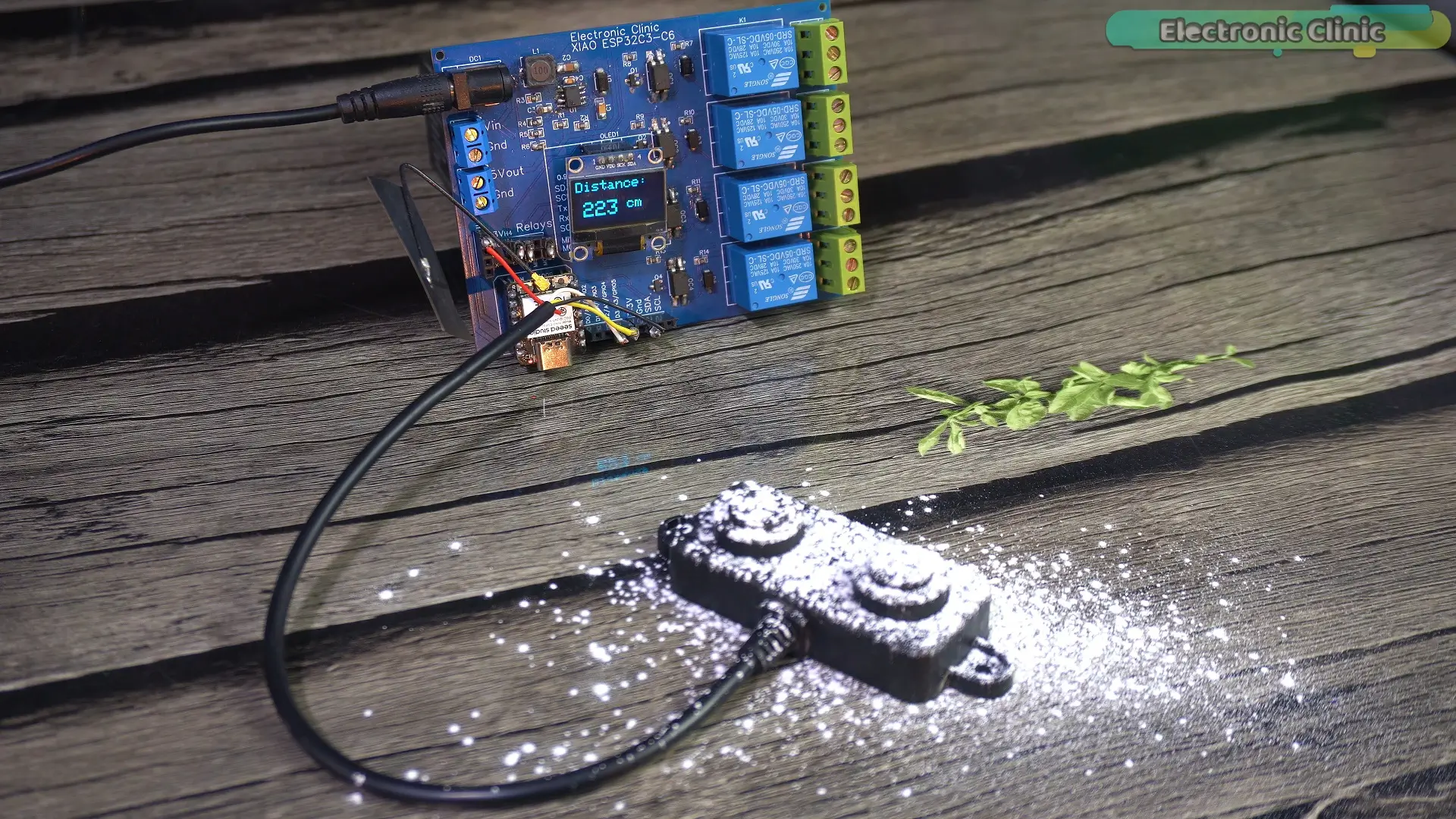
Surprisingly, the sensor is still measuring the exact same distance. The reading is still stable and accurate.
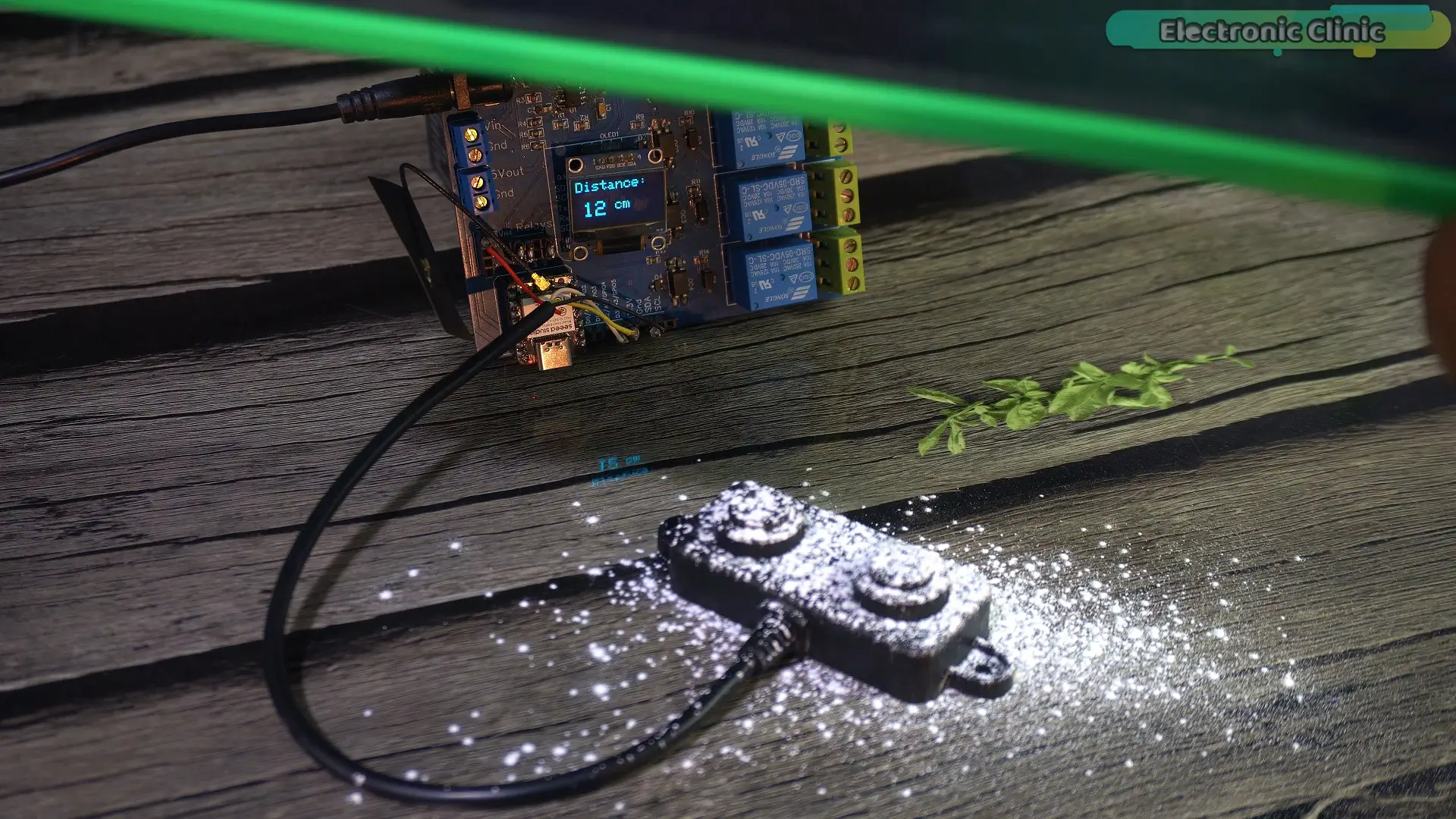
And honestly, in real-life situations, sensors usually don’t get this much dust on them. This test is actually much more extreme than what most projects will experience.
So from this experiment, we can clearly see that the A02YYUW waterproof ultrasonic sensor can also perform very well in dusty environments. That means you can confidently use it in robots, automation systems, and outdoor projects without worrying too much about dust affecting the measurements.
Ultrasonic Sensor Underwater Test:
And now, it’s time for our final test.
So far, this sensor has done an amazing job. It passed the accuracy test, the moisture test, the water spray test, and even the dust test. But now we are going to try something that many people are curious about.
We are going to test this ultrasonic sensor underwater.
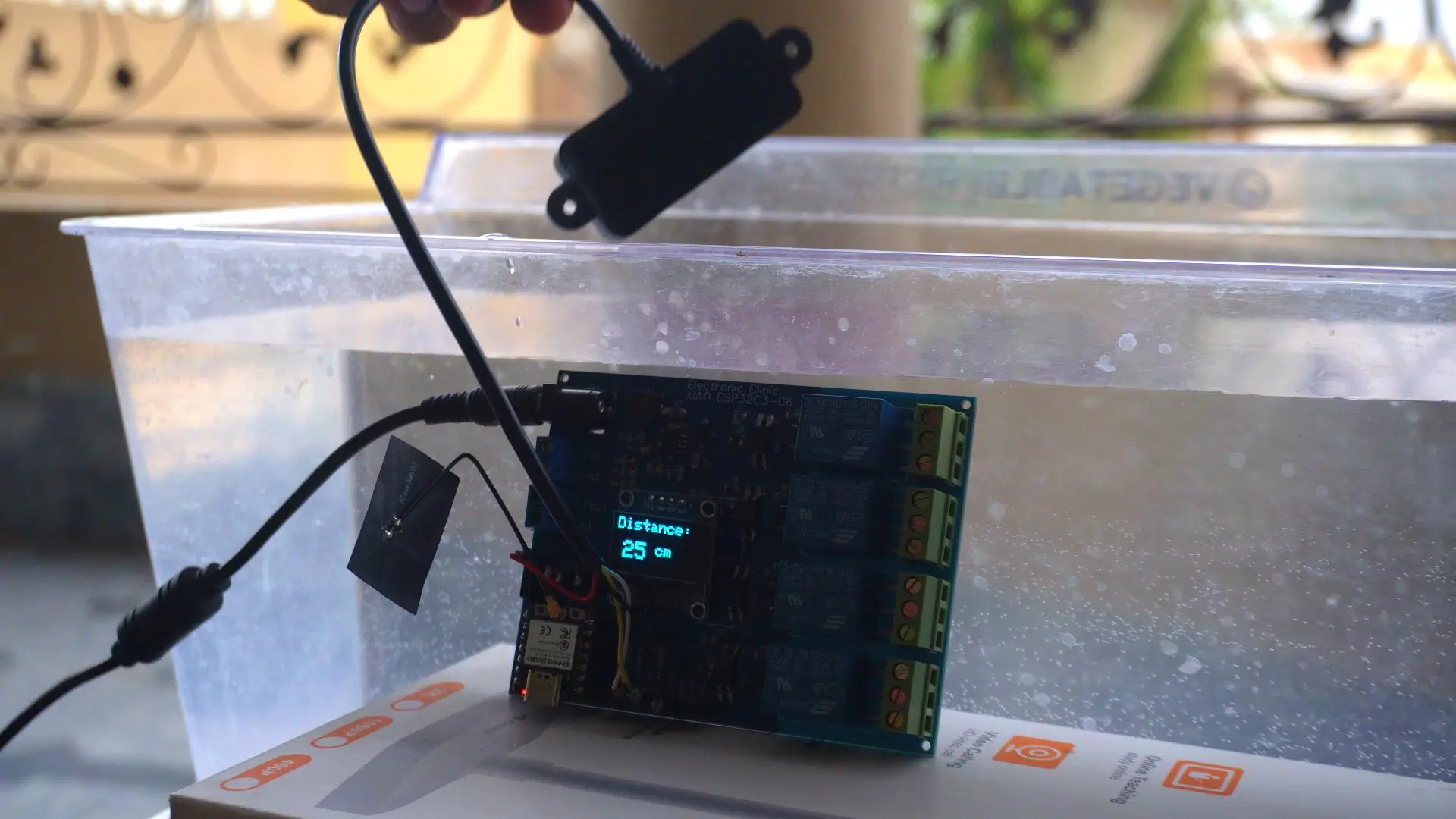
Now before we begin, let me clarify something very important. As I mentioned earlier, this ultrasonic sensor is waterproof, but it is not designed for underwater applications. That means it can handle moisture, splashes, and water droplets, but it is not meant to operate inside water.
So if we place it underwater, it will most likely stop working.
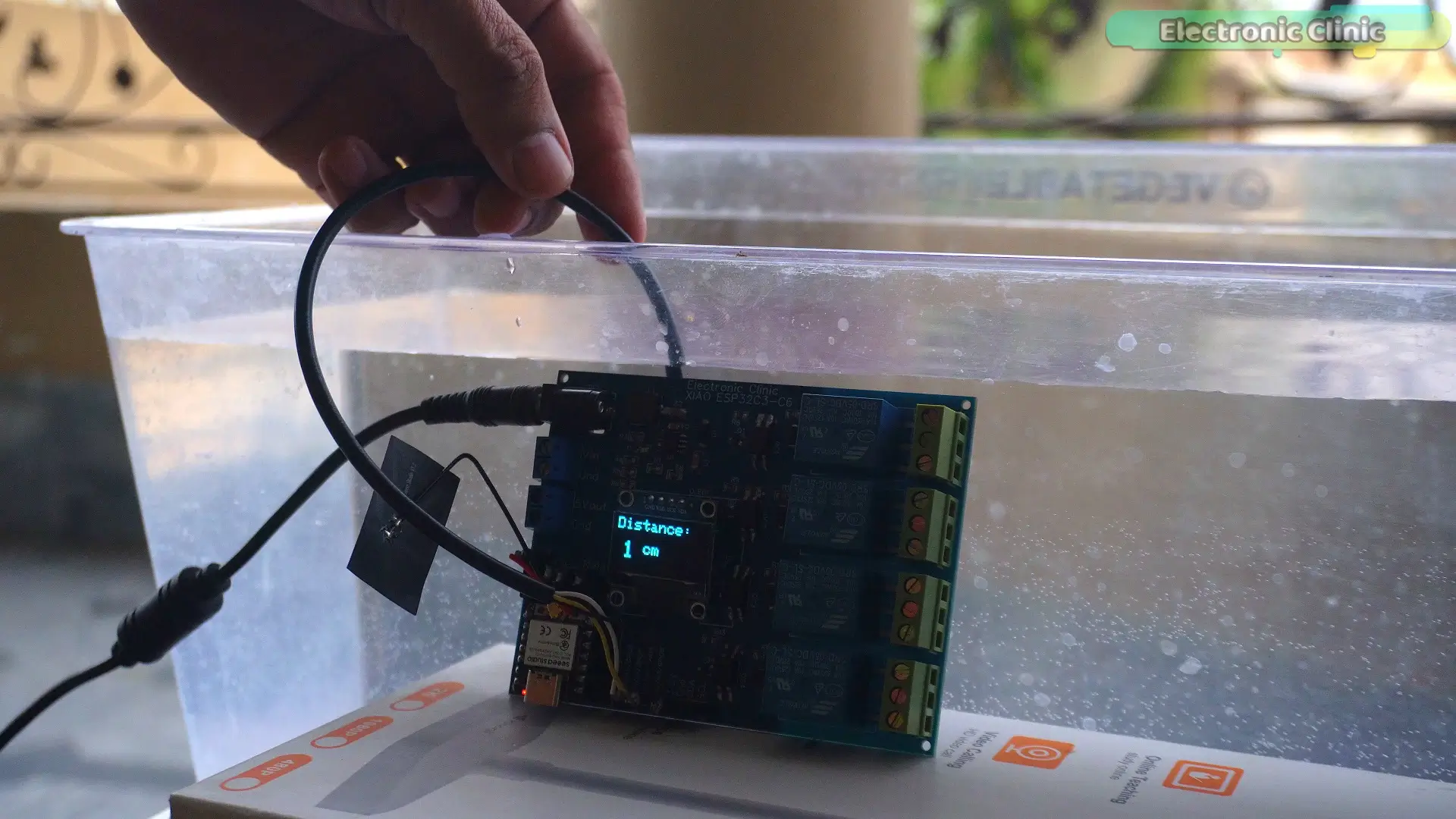
And that’s exactly what I want to show you practically, so there is no confusion about it.
If your project requires distance measurement underwater, then you need a special ultrasonic sensor designed specifically for underwater use. In fact, I have already made a detailed video about that sensor and also an article where I explained everything step by step.
So, that’s all for now.
Support me on Patreon:
If you enjoy my work and find these projects helpful, please consider supporting me on Patreon. With just $1, you can get access to all project source codes, schematics, and extra resources that I share with my supporters. Your support helps me continue creating new electronics tutorials, experiments, and open projects for the community. Thank you so much for being part of this journey and for supporting my work!
Watch Video Tutorial:
Discover more from Electronic Clinic
Subscribe to get the latest posts sent to your email.